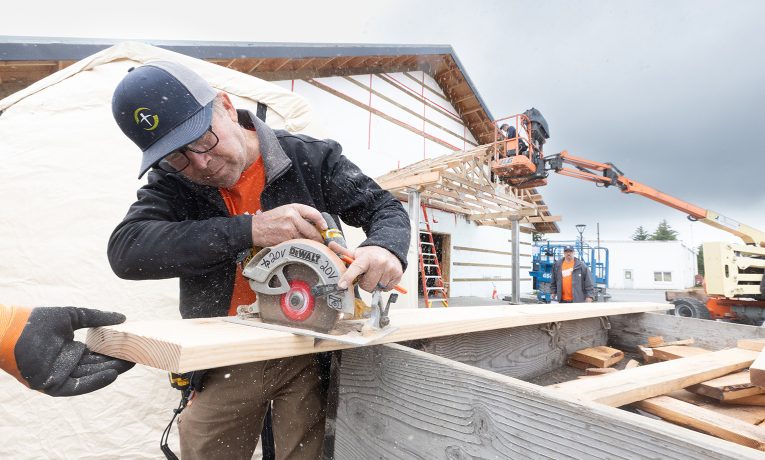
Volunteers are working this summer to build a new worship space in the remote Alaskan fishing town of Cordova.
All roads leading out of Cordova, Alaska, are dead ends. The only way to reach the isolated fishing town—population 2,400—is by sea or air, which makes hauling in building materials and other supplies difficult, to say the least. And the rain is constant.
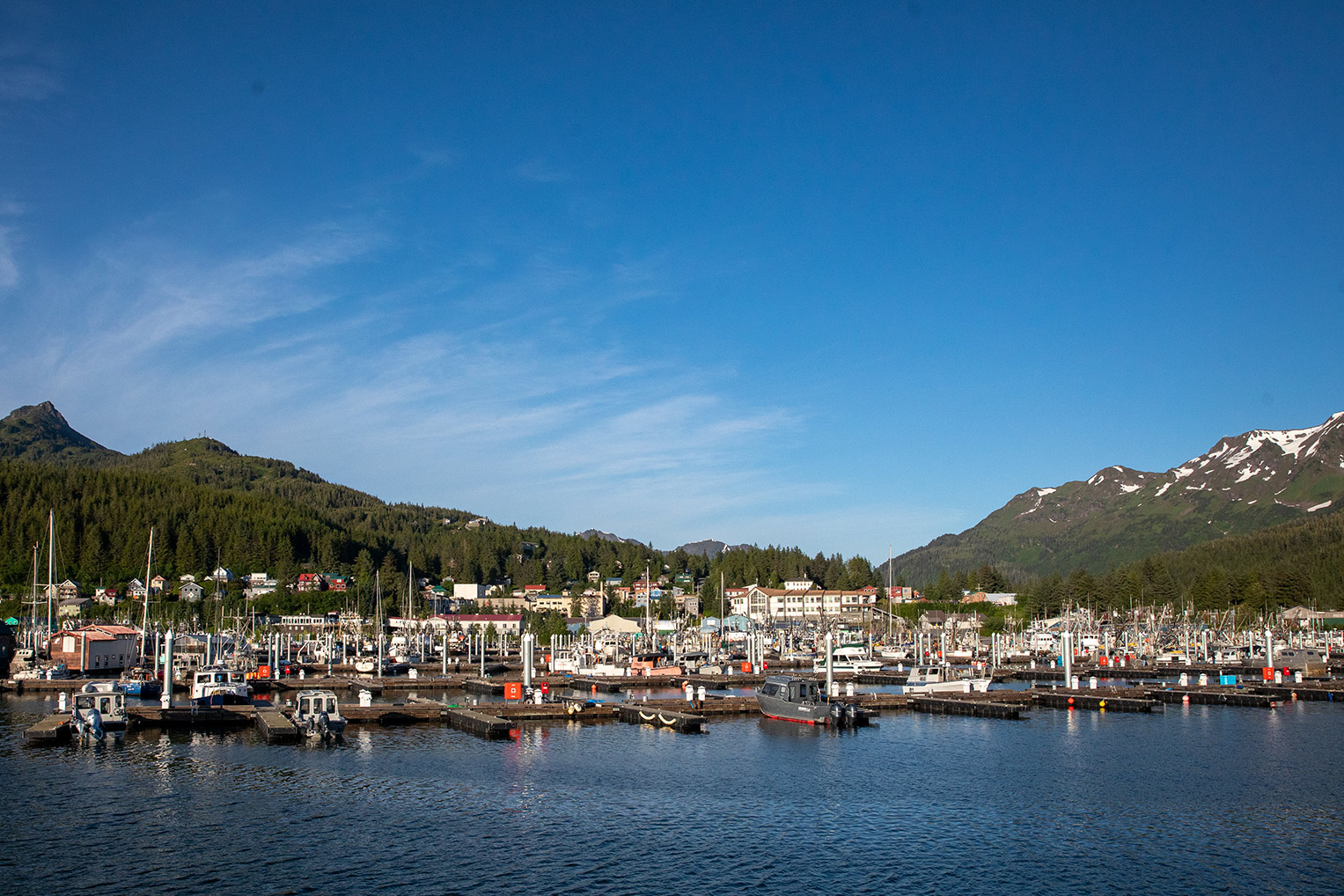
Cordova is a coastal fishing community only accessible by air or water.
“It can last for weeks or even months,” said Mike Glover, pastor of Cordova Community Baptist.
But none of that is holding back the scores of Samaritan’s Purse volunteers who’ve traveled from 31 states to construct a new worship space this summer for Cordova Community Baptist Church.
Located on the southeastern edge of Prince William Sound near the mouth of the Copper River, Cordova is a tight-knit, resilient, and resource-rich place that’s been forced to reinvent itself multiple times over the past century.
Mining companies were drawn to the area when high-grade copper ore was discovered in 1906 in nearby Kennecott. Cordova was chosen as the terminus for the Copper River and Northwestern Railway.
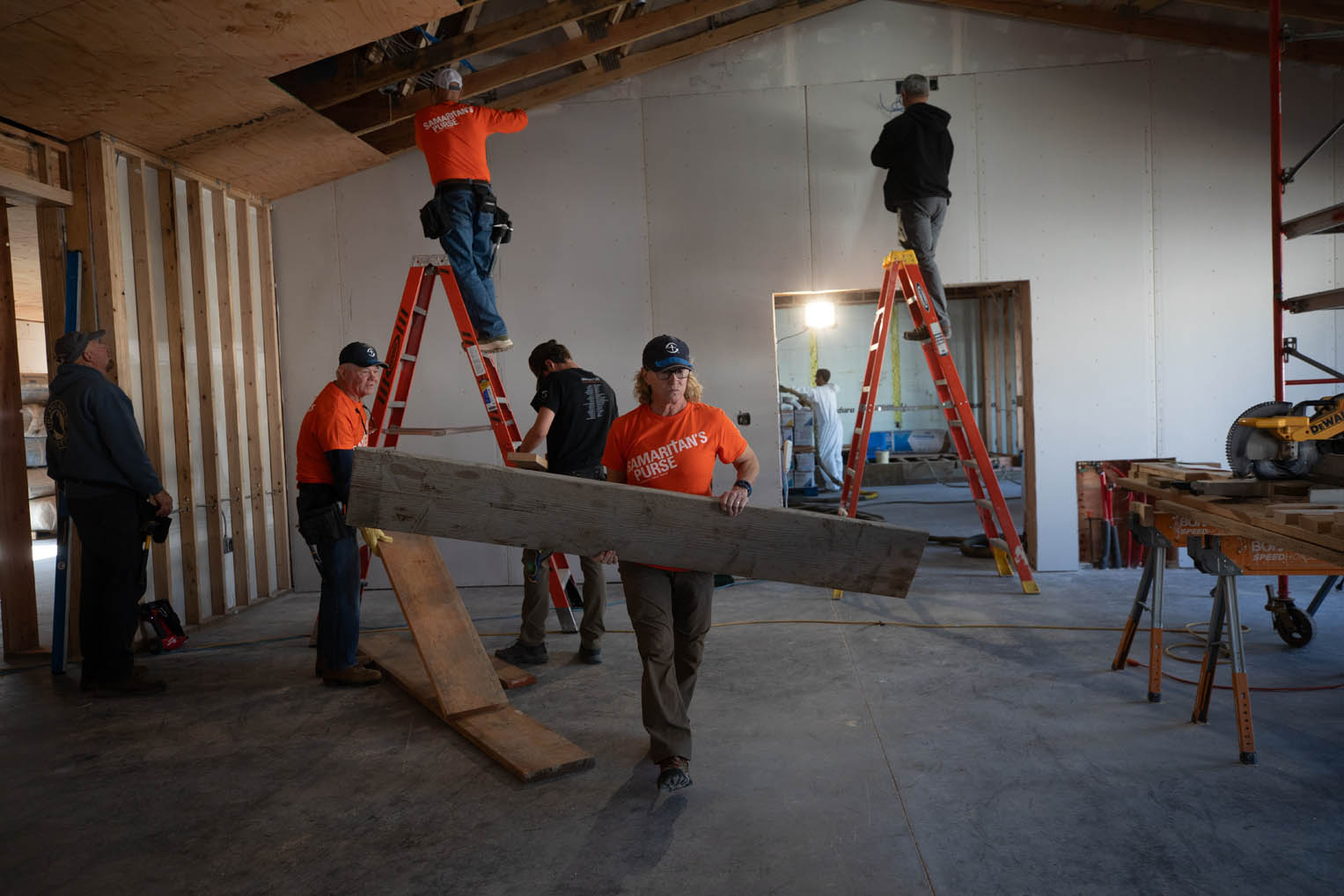
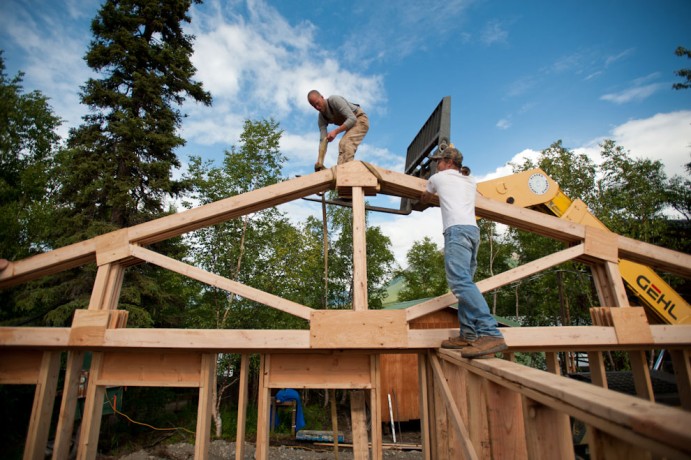
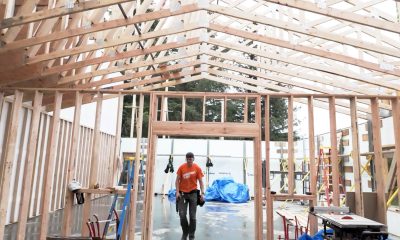
Volunteers from all over the United States spend weeks at a time in remote places like Cordova, building spaces designed to last through Alaska’s extremes.
Almost overnight, the quiet cannery community of a couple hundred became one of the busiest ports and most bustling cities in the Alaska Territory. But by 1938 the copper mines were depleted and the boomtown went bust.
Fortunately, razor clam production flourished, and Cordova was proclaimed the “Razor Clam Capital of the World,” harvesting over half the clams in the U.S. But overnight, the town was robbed of this resource by the catastrophic 9.2-magnitude Good Friday Earthquake of 1964. It lifted the ground by several feet, exposing the clam beds and eroding surface sediment. The sudden environmental shift instantly destroyed the area’s once-dominant clam industry.
Through it all, commercial fishing remained the life blood of Cordova. The waters surrounding the town are rich in salmon—King, Sockeye, Coho, Keta, and Pink—as well as gigantic Pacific halibut, and rainbow and steelhead trout.
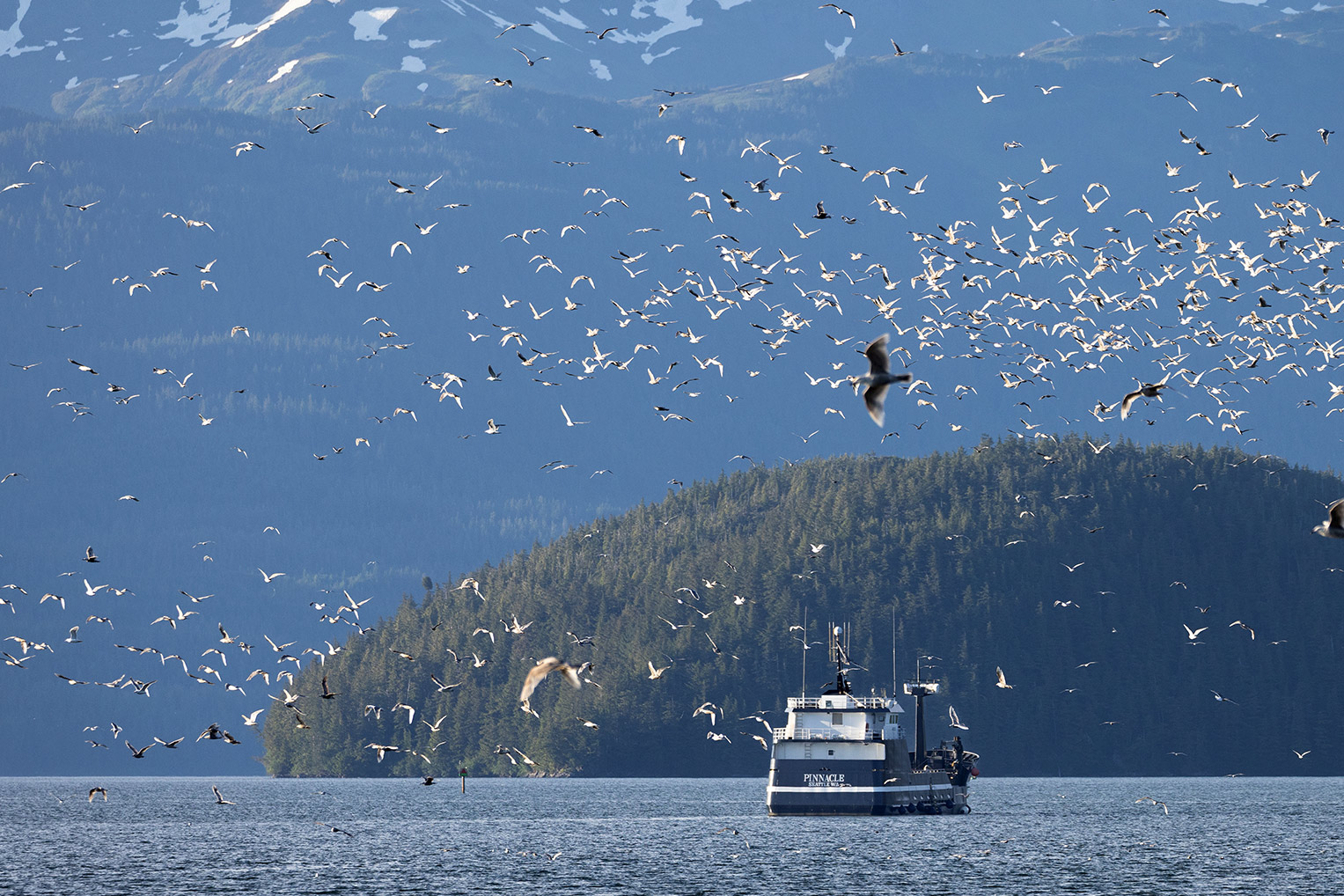
Once a thriving mining community that became the hub for companies extracting high-grade copper, fishing is now its dominant industry.
But again tragedy struck. In 1989, the Exxon Valdez tanker ran aground on Bligh Reef in Prince William Sound and spilled 11 million gallons of crude oil, polluting 1,300 miles of coastline. The economic impact was immediate and crippling, as commercial fishing for salmon, crab, shrimp, herring, and many other fish was shut down by federal and state authorities. But stouthearted Cordova weathered this latest disaster just as it did the others. It’s once again a thriving fishing town.
A Church in Constant Need of Repair
Cordova Community Baptist Church fits right in with the town’s history. The church was founded in 1908 as a Presbyterian congregation. In 1920, a church building was constructed. The church changed denominations in 1950 and affiliated with the Baptists. Ten years later, a raging inferno reduced the church to ashes on the Fourth of July. A new building opened on the same property in 1962. But decades of Cordova’s harsh weather—the area is a temperate rainforest and gets up to 180 inches of precipitation each year with wind gusts up to 150 mph—has wreaked havoc on the 64-year-old structure.
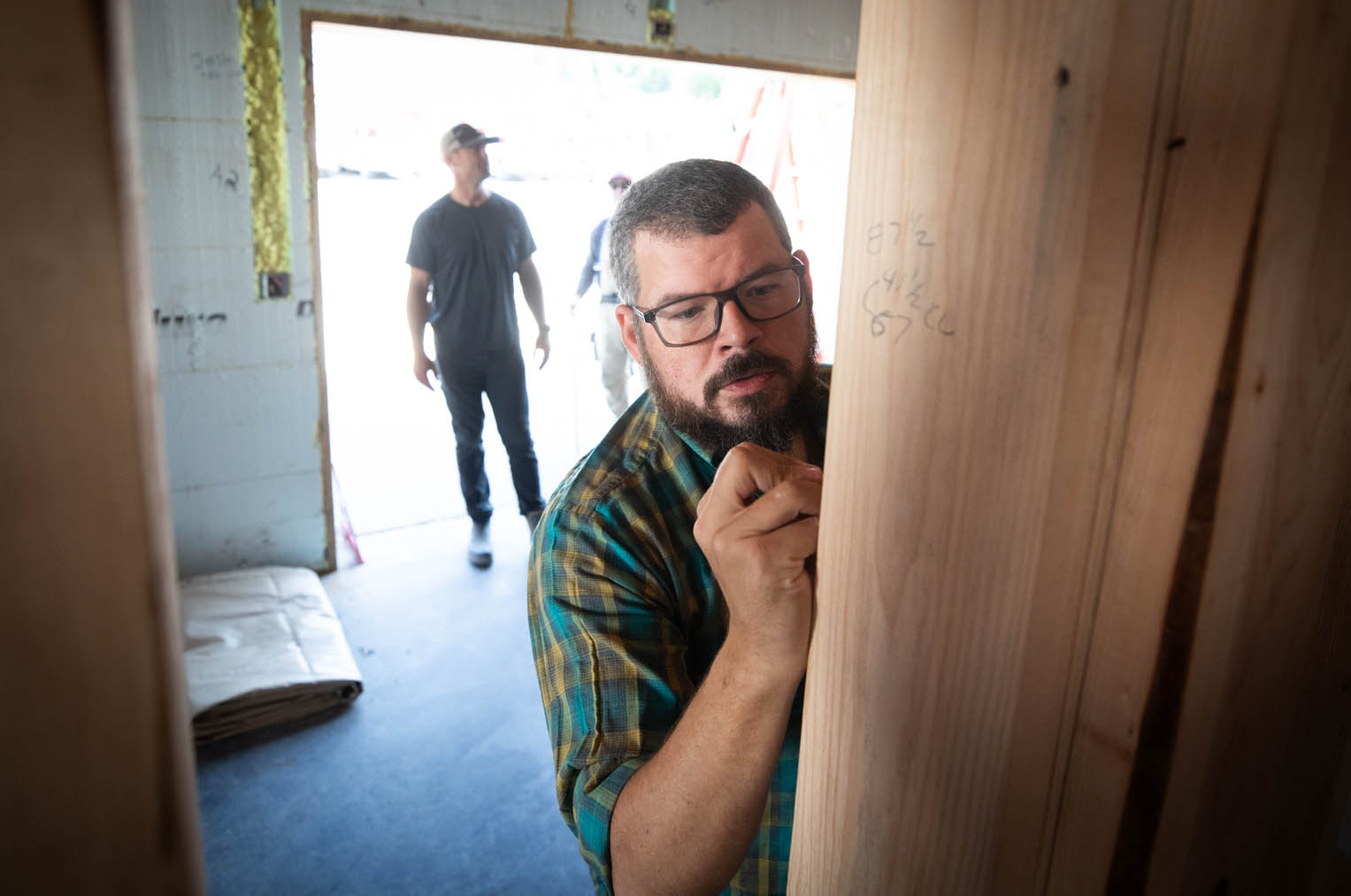
Mike Glover, pastor of Cordova Community Baptist, marks an area for an installation.
“We have walls in the church that do not dry out for weeks, if at all, because of the rain,” said Pastor Mike. “After years and years, that leads to an increasingly deteriorating building.”
John Harding, who pastored the church from 1999 to 2009, said the building was leaking back when he led the congregation.
“I remember we had a Wednesday morning Bible study for the youth, but when we arrived at the church there was literally water running down the stairs, like a waterfall,” John said. “Rain was melting snow on the roof, so we all went up on the roof and shoveled snow off it in the pouring rain.” His mother, Susan Harding, 85, recalls a wedding in the early 1990s that almost didn’t happen because of water flowing down hallways. “The bride was crying,” she said. “But we got it mopped and sopped up enough so she could walk down.”
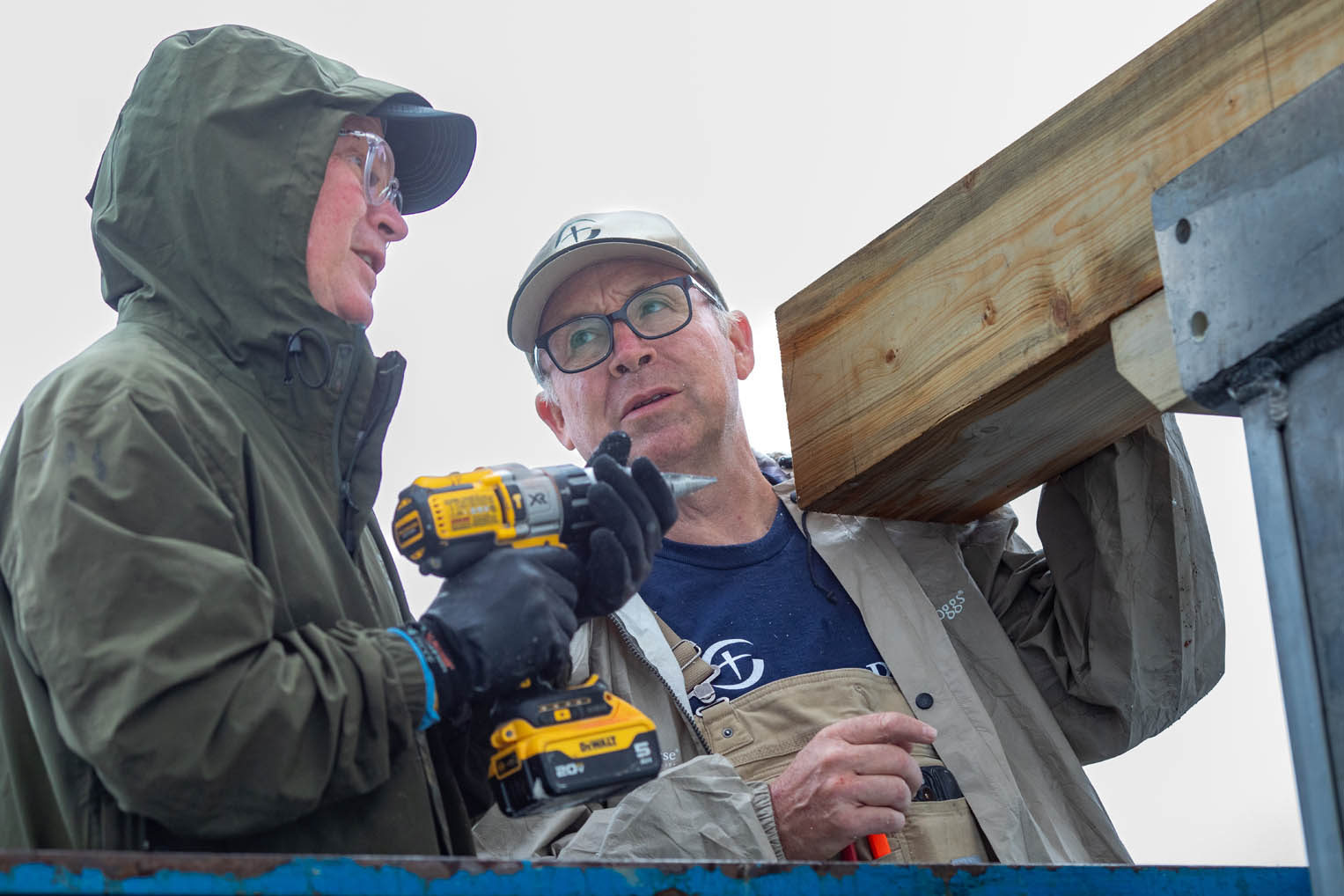
Volunteers worked in rain and sunshine to complete the new worship space in Cordova by the fall.
The congregation has fixed what they could through the years but never had the funds to address all of the problems. “There was a lot of band-aiding certain areas over the decades,” Mike said.
They looked into getting the outside repaired, but just the cost to do that was going to be well over a million dollars and that didn’t account for any interior fixes.
“I thought, ‘We’re going to worship in this space until it crumbles around us,’” Mike said. “That’s a terrifying thought as a pastor: to be the one who oversees the slow demise of the worship space.”
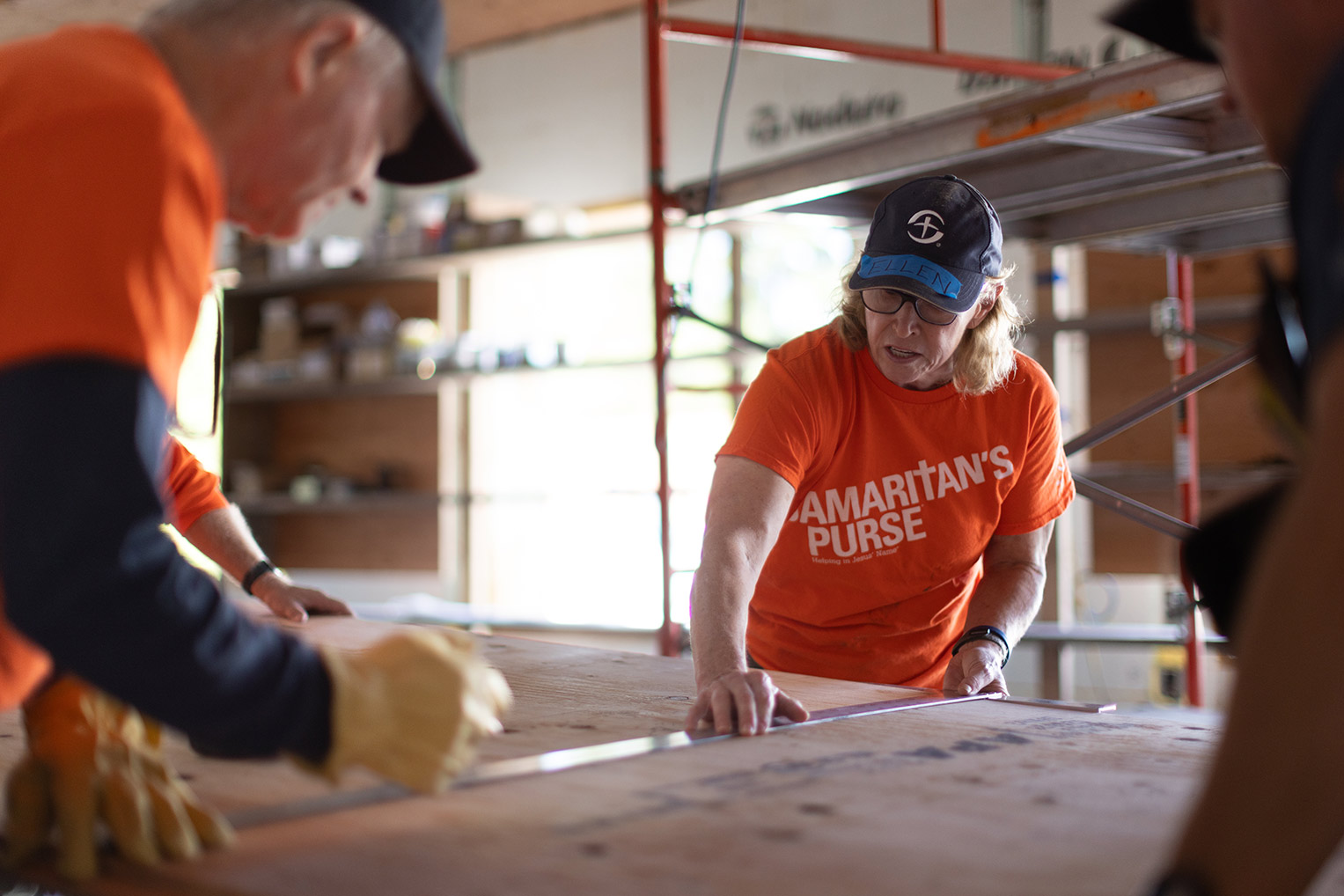
More than 200 volunteers will work in the community this year to complete the project before the winter freeze begins.
Then, last summer, Mike got an unexpected call from Luther Harrison, vice president of U.S. Disaster Relief and Rebuild at Samaritan’s Purse.
“We ended up on the Samaritan’s Purse radar before we knew there was a radar,” Mike said. “It’s a one hundred percent God thing.” Now, just over a year later, construction of the new church is well underway.
Building Churches Off the Road with Volunteers
Each summer, Samaritan’s Purse builds a new church somewhere in Alaska that is off the road system in communities that can only be reached by air or boat and have a church that is in desperate need of repair. Our teams work with these congregations to design and build a facility that will meet their specific needs and endure Alaska’s severe weather for well over 100 years. This project in Cordova marks our 37th Alaska construction project since beginning the work in 2006.
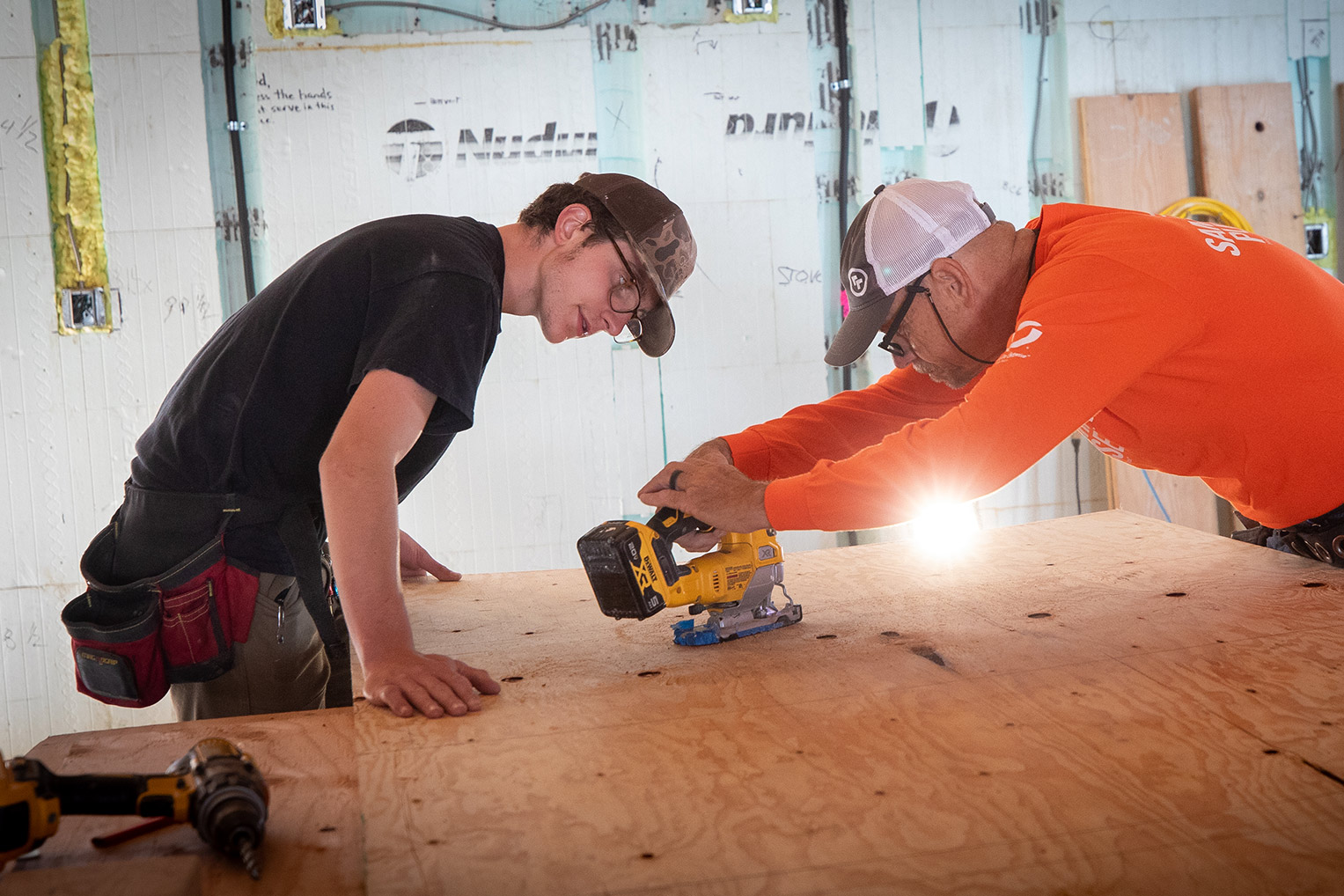
Recent high school graduate Roy Graham is one of the few young people volunteering. He learned the ropes of construction this summer and would encourage other teens to put on a tool belt.
“Alaska loves to destroy buildings. The temperature swings here are extreme and bring in moisture and lead to structural damage,” said Corey Lynch, director of Alaska church projects at Samaritan’s Purse. “So, we are constructing this church, and every church we build in Alaska, in a manner that will need minimal maintenance and will provide a lasting legacy for decades to come.”
Construction of the new Cordova church began May 1 and is scheduled to be completed and dedicated to God’s glory on Oct. 11. Many in the church and the town can’t believe how fast construction is going and that it’s being built exclusively by volunteers. A new team of workers, typically 18 to 20, arrives every 10 days.
“These volunteers are such a wonderful blessing for our church,” said Susan Harding, whose husband pastored the church for more than two decades. “They gave up their time and spent their own money to come here and do this work for us. Unbelievable. And they may not know it, but they are an answer to huge amounts of prayer.”
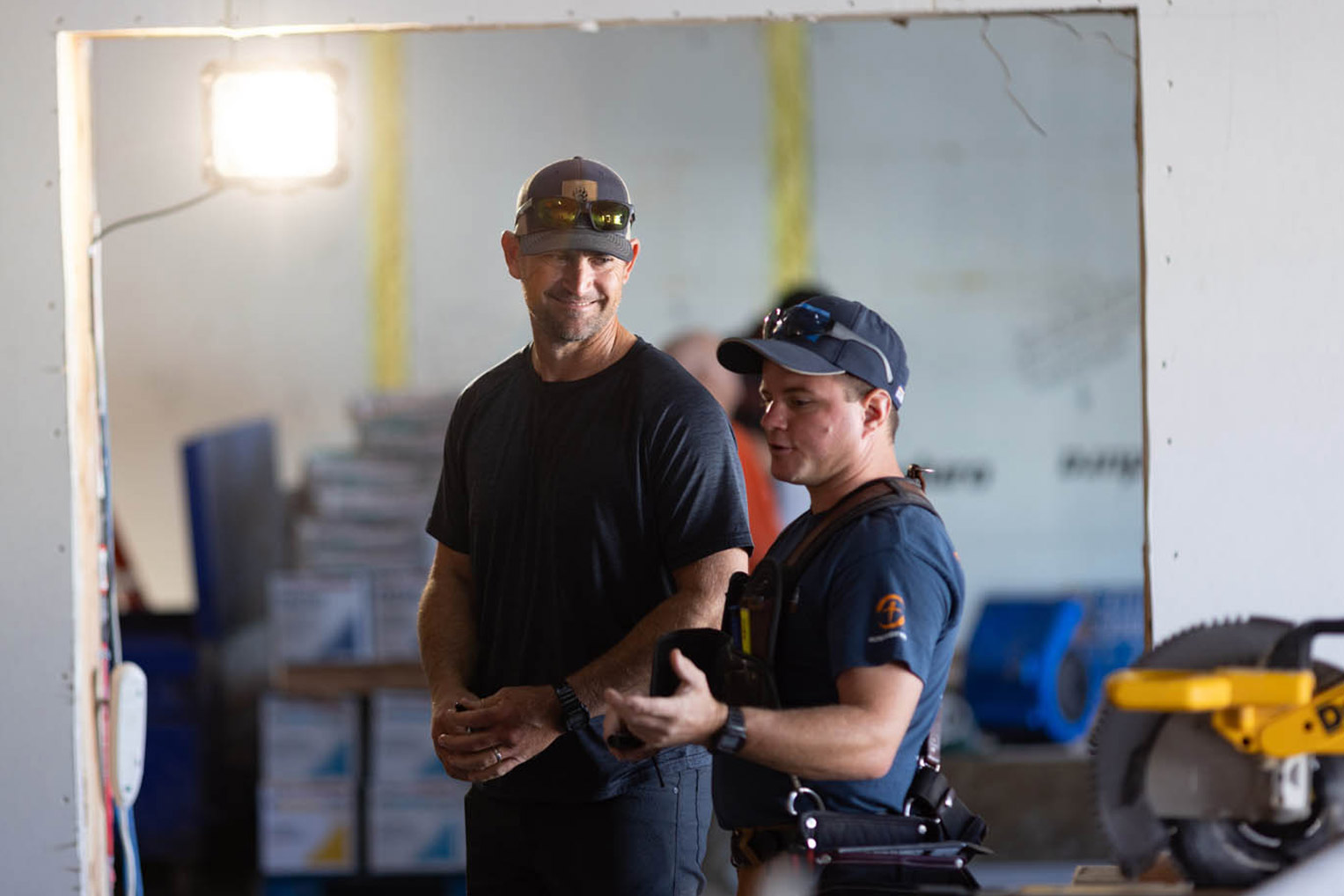
Corey Lynch, left, leads our Alaska Projects.
Russ Richardson, the lead construction manager, says the teams are made up of people from all over the U.S.
“Our volunteer base comes from the lower 48,” he said. “They vary from college guys all the way through retired men and women. They also vary in skills. Some are solid trade folks while some don’t know how to read a tape measure. Our staff is specifically trained to teach all the tools, all the techniques to anyone, regardless of skill. God always brings the right people at the right time every year.”
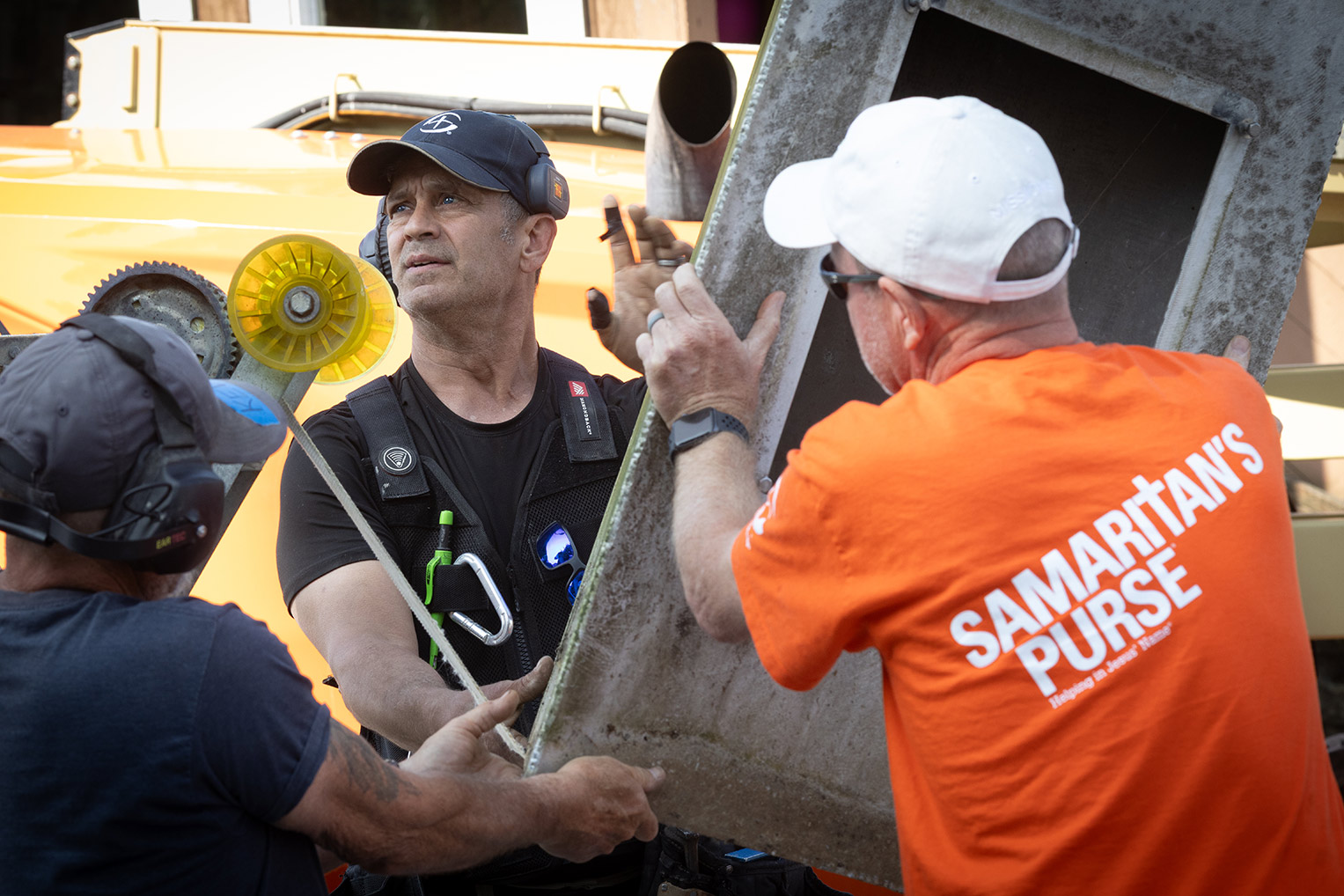
Russ Richardson, the lead construction manager, has overseen multiple Alaska building projects from beginning to end.
Recent high school graduate Roy Graham is one of the few young people who is volunteering and would encourage other teens to put on a tool belt.
“This has been such a great experience and helped me get out of my comfort zone,” Roy said. “You don’t just learn technical skills in construction, but you learn life skills. Just having Godly people share their life experiences with you is invaluable.”
Jim Thackston, who brought a group of volunteers from South Carolina, agrees. “When you volunteer, you get to be around a bunch of other Christians who help refresh your spirit on a daily basis. It’s so encouraging. And it’s such a blessing to see how much the people in the church appreciate the work that we’re doing. As a volunteer, you really are being the hands and feet of Jesus.”
Getting Involved in the Community
Some people from the church are also helping with the construction. Bob Behrends has been a member of Community Baptist for 37 years. He helped pour the foundation and said he has been impressed with the impact our staff and volunteers are making in the area.
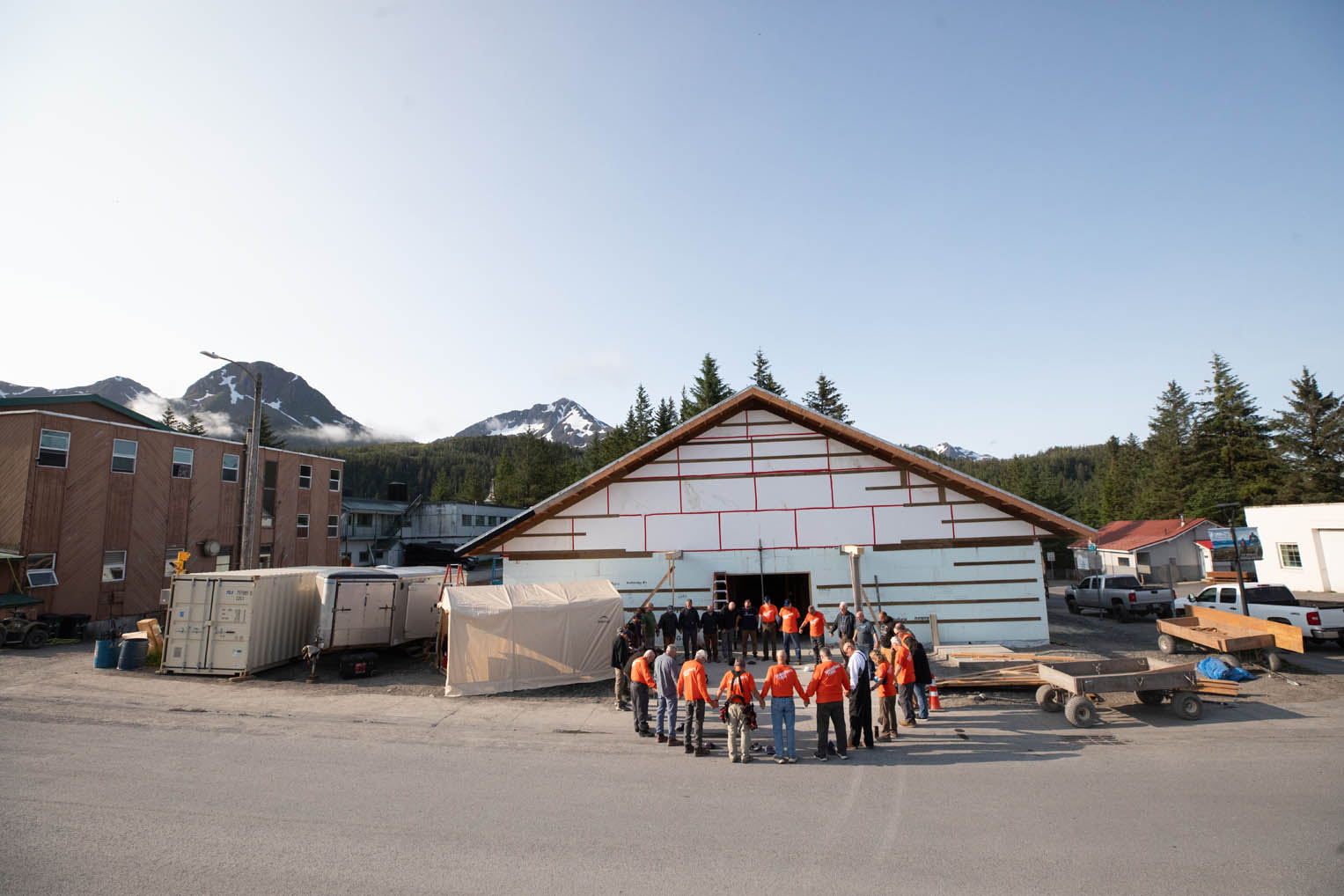
Each day on the worksite begins with prayer. for the work, the church, and the community they are reaching with God’s Word.
“People in town are amazed at how quickly this building is going up because nothing gets built that fast in Cordova,” he said. “Lots of folks just come by to look at it and have said that they will visit when the doors are open. The influence of Samaritan’s Purse reaching out into the community is actually bringing people into our church.”
Samaritan’s Purse volunteers often get involved in community projects while they serve in Alaska. A few of them recently learned that a local woman was going to be evicted from her apartment if it wasn’t properly cleaned.
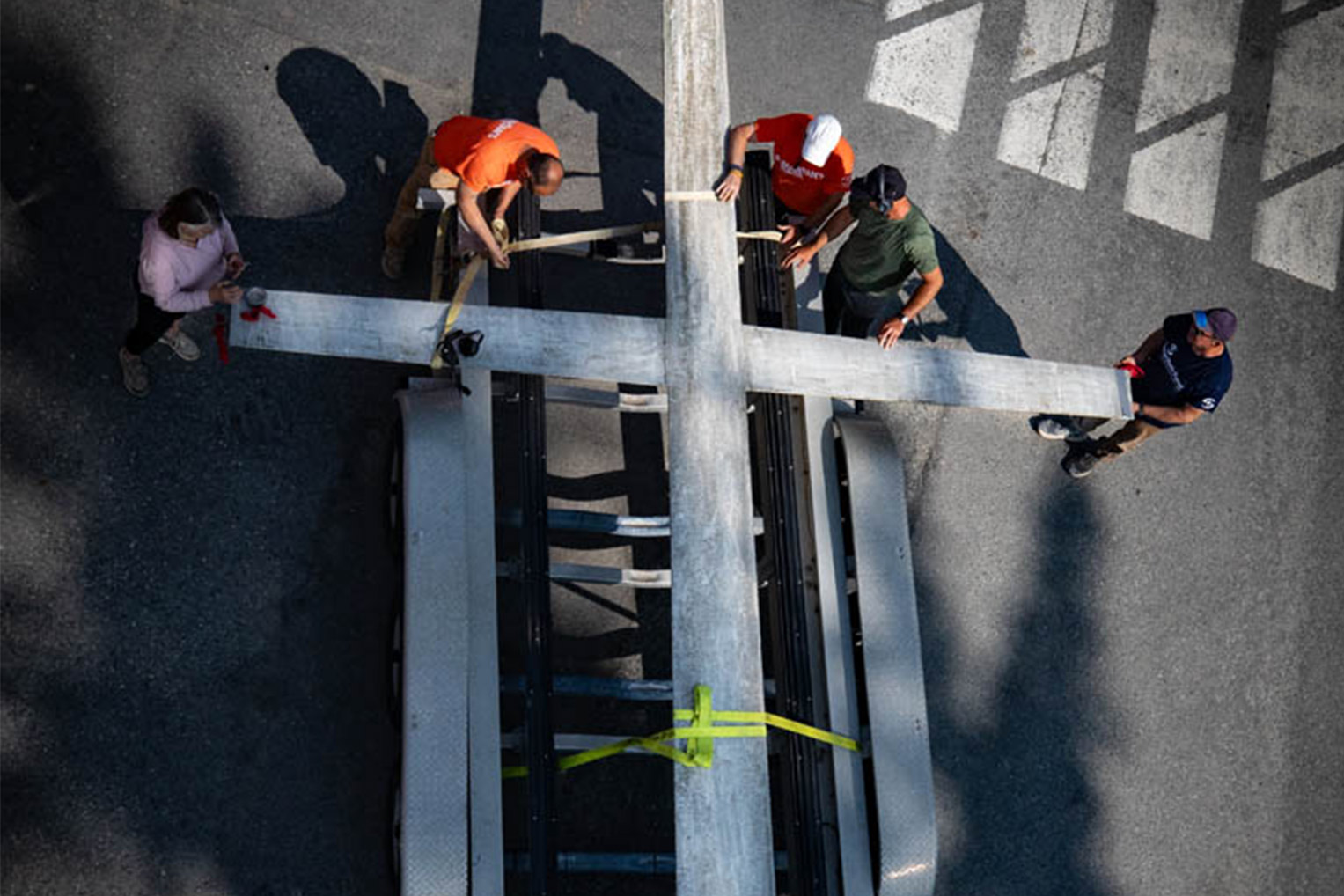
The only piece of the church preserved for the new building is a giant cross created by a Cordova local.
Four of our volunteers went in and did a thorough scrubbing. The woman couldn’t believe what they had done. It has allowed her to continue living in her home. The following Sunday, she came to the church and sat on the front row.
“It was the first time she had ever been to the church,” said Sue Shellhorn, who has attended Community Baptist longer than anyone, stretching back to the late 1950s. “This is just so encouraging.”
Something Old, Something Eternal
Every bit of the new building will be new construction except one prominent feature—the 40-foot aluminum cross that has stood at the front of Community Baptist since Christmas Eve 2002. Designed and constructed by congregant Rob Eckley, the cross was recently removed and taken to Rob’s huge workshop where he will refurbish it before it is erected at the entrance of the new facility.
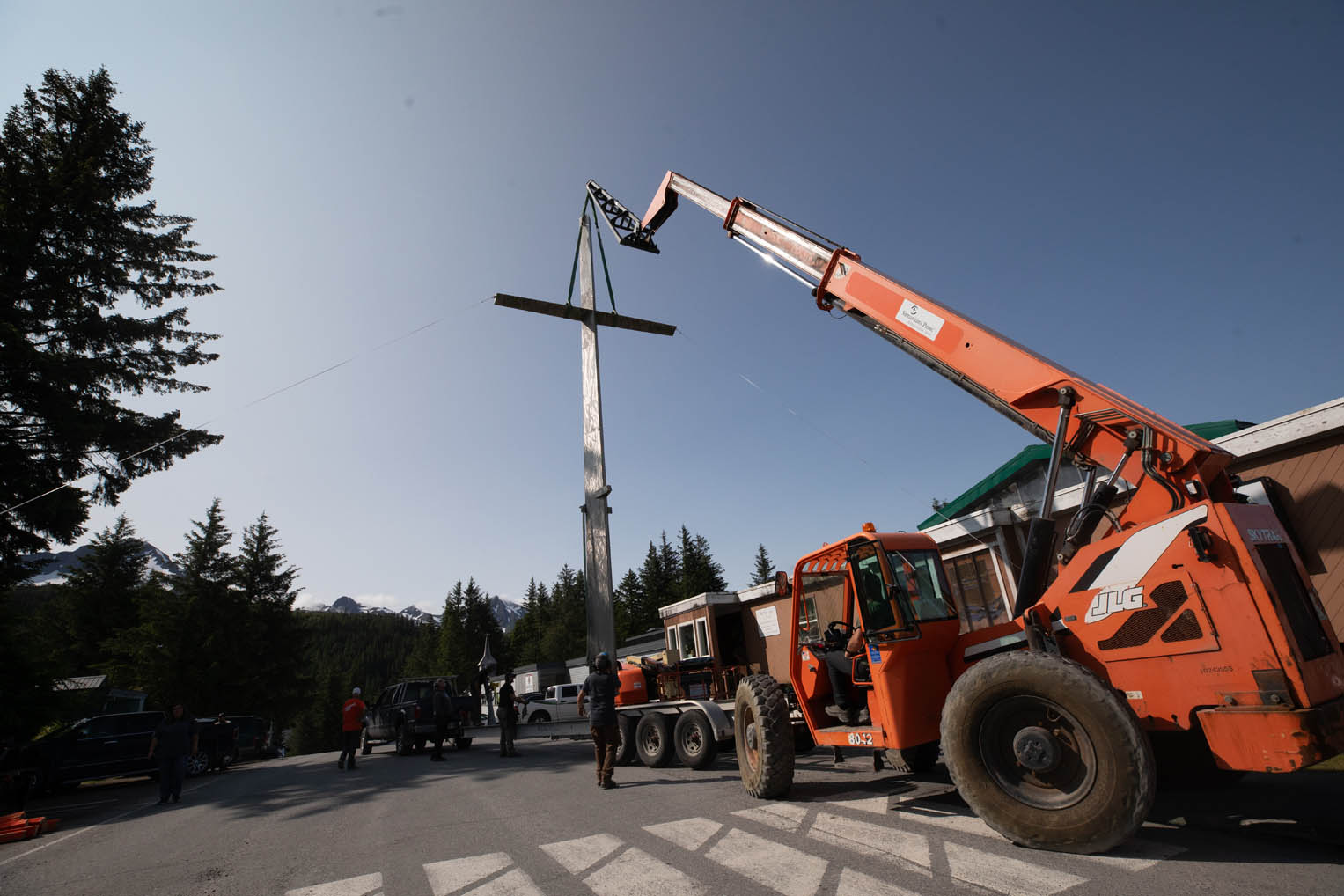
“I’m really honored that the cross is going to be at the new church,” Rob said. “More than that, I’m glad it will continue to stand as a symbol of God’s amazing love.”
While this new worship space is being built to last 100 to 150 years, Bob Behrends believes its impact will go well beyond that.
“This new church building will be used for the next century and is such a huge blessing for our community,” Bob said. “God the Father is being glorified through the work that Samaritan’s Purse is doing here. And that work will echo into eternity.”
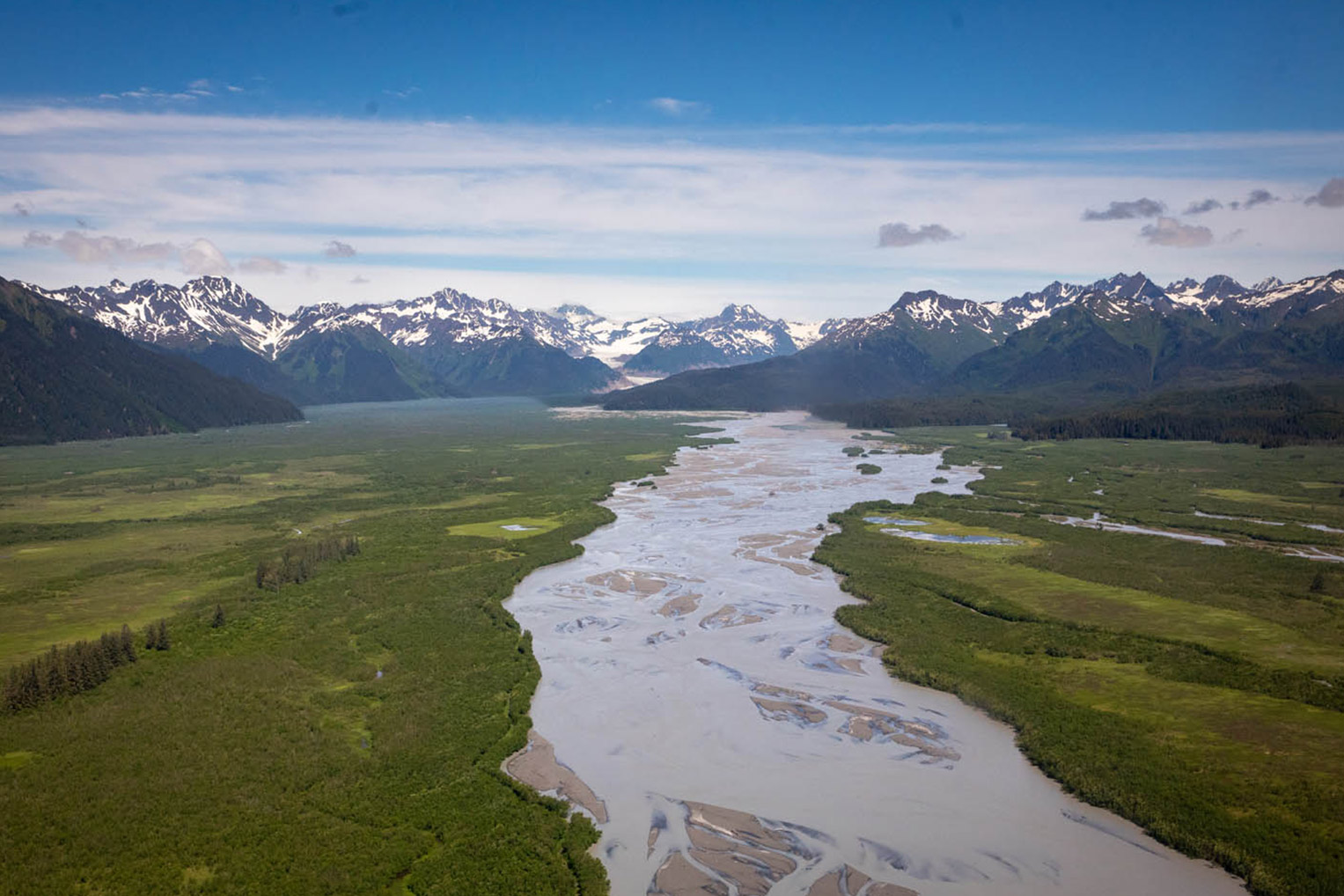
The Copper River.