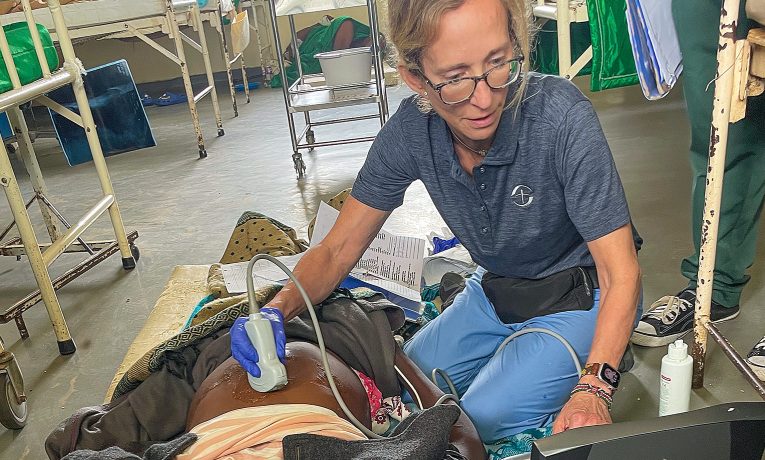
Una ecografista que sirve en Zimbabue abre ojos y corazones a los misterioso de la vida en el vientre materno.
Es un momento entrañable del que la ecografista nunca se cansa. Esa reacción de asombro y alegría cuando una embarazada ve por primera vez la imagen de su bebé, creciendo dentro de su vientre.
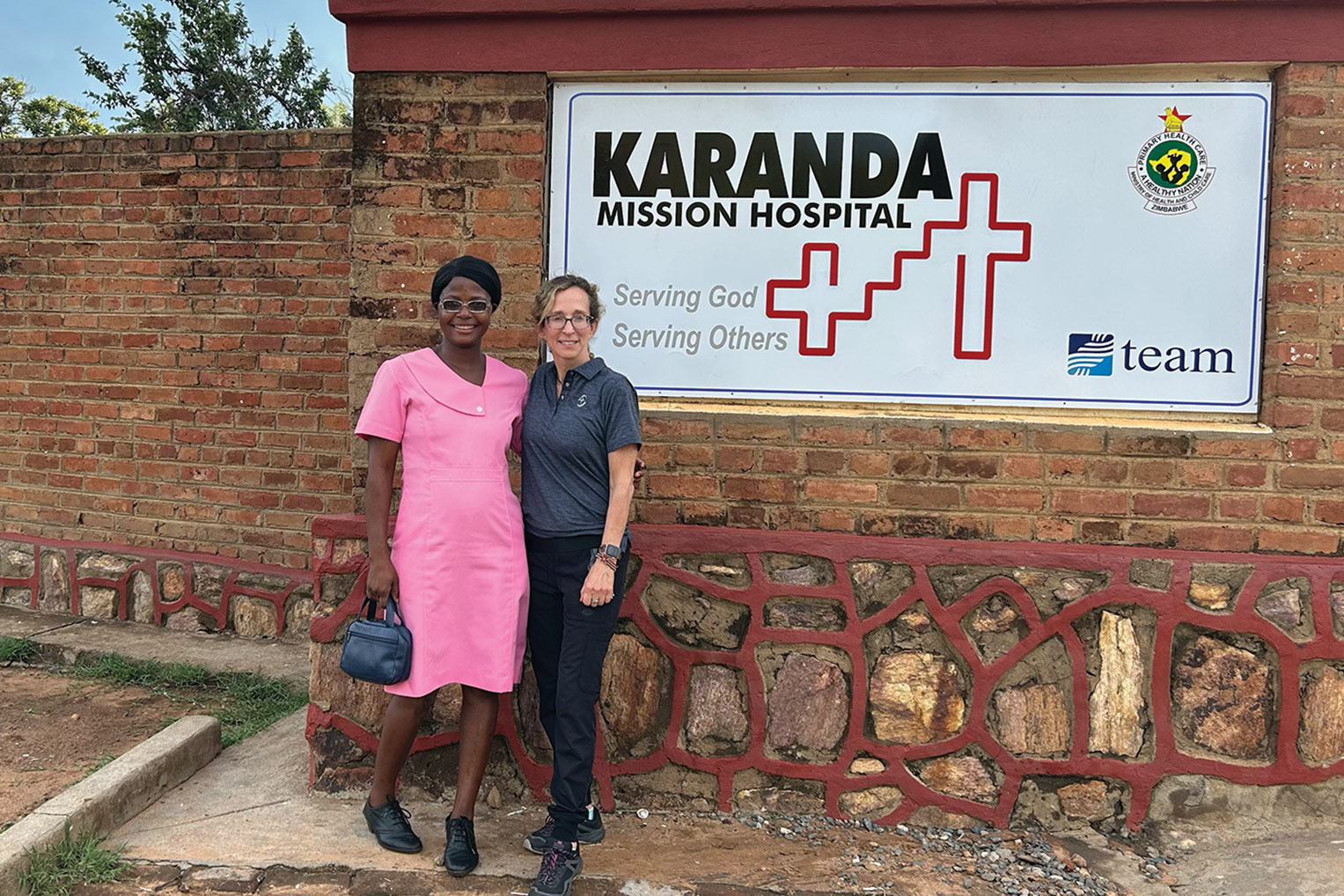
Hopkins capacitó a los profesionales médicos locales en el uso de la tecnología de ultrasonido. Una de sus alumnas, Precious, agradeció el regalo para toda la vida de haber aprendido estas habilidades complejas.
Susan Hopkins recuerda con cariño haber sido parte de esos momentos felices a lo largo de su carrera de más de 25 años. También vivió ocasiones más tristes, cuando las imágenes que captó revelaron una anomalía o una enfermedad maligna.
No todos sus pacientes han sido seres humanos. En Arizona, trabaja como voluntaria en un centro de rescate de animales. Le ha realizado ecografías a una orangutana y a un cerdito barrigón, así como a varios perros y gatos.
“Mi jefa es obstetra y ginecóloga, y le pidieron que fuera al zoológico de Phoenix porque había una orangutana que tenía problemas femeninos. Esta especie tiene una anatomía similar a la de los seres humanos”, afirmó Hopkins. “Entonces, ella le realizó un chequeo, y yo tuve que hacer una ecografía”.
Al parecer, la orangutana fue una paciente que se portó bien, y el trabajo de Hopkins ayudó a identificar el origen de la dolencia del animal.
Aunque su carrera ha sido sin dudas gratificante, Hopkins buscaba oportunidades para servir en las misiones internacionales. Samaritan’s Purse le ofreció ese lugar con nuestro Equipo de Respuesta para Asistencia en caso de Desastres (DART por su sigla en inglés) que opera en Ucrania y en Medio Oriente, donde su contribución fue no médica. También sirvió con World Medical Mission en el Hospital Kapsowar, en Kenia, y el año pasado estuvo tres semanas en el Hospital Misionero de Karanda, en Zimbabue.
Un regalo a largo plazo
Karanda se encuentra a las afueras de la ciudad Mount Darwin, en una zona rural donde los servicios de atención médica son muy demandados. El establecimiento concurrido recibió la llegada al mundo de 2086 bebés, realizó más de 4000 cirugías y superó las 113 000 consultas ambulatorias en 2024. Pacientes de todo Zimbabue y de países limítrofes como Zambia, Mozambique y Botsuana buscan allí atención médica.
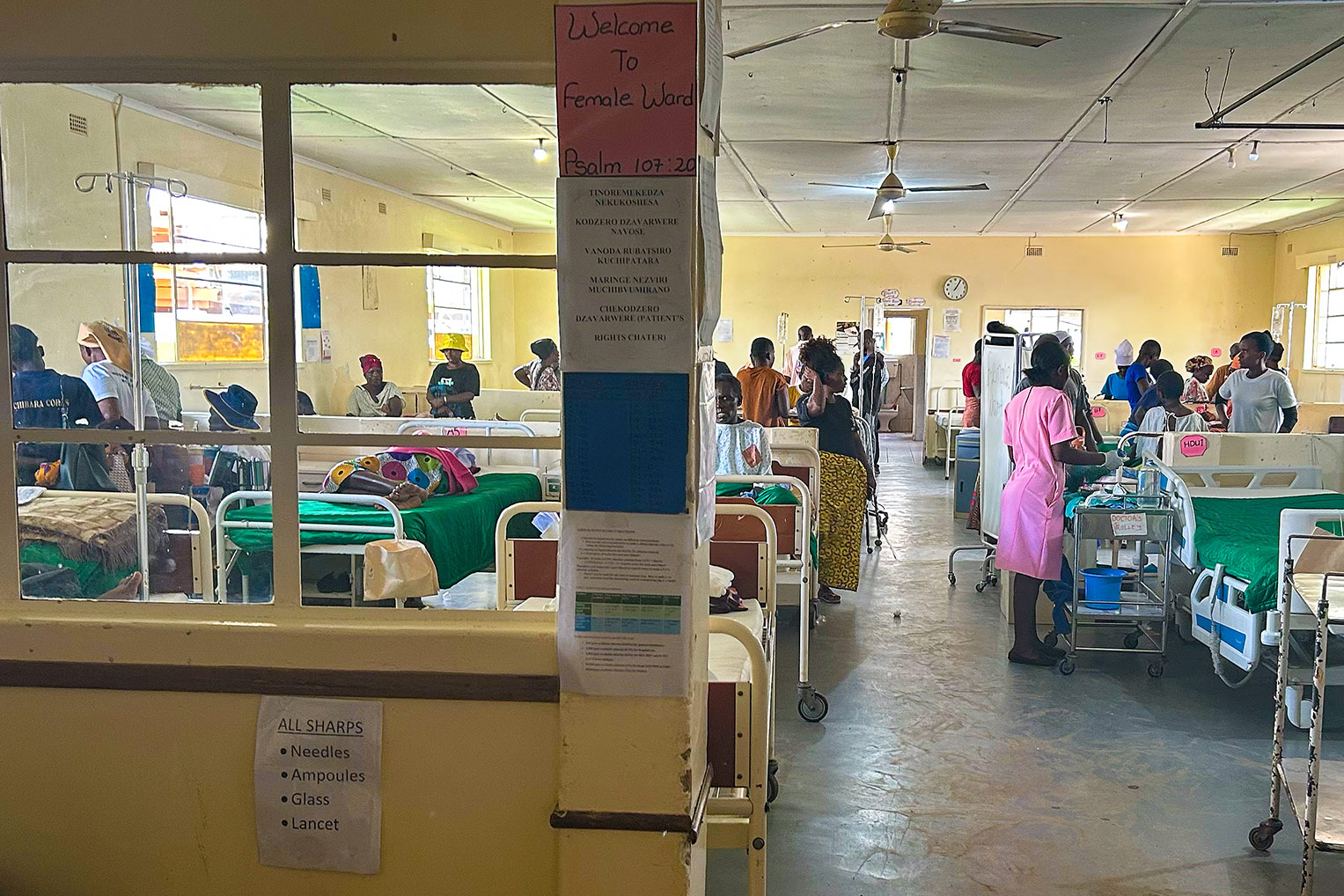
Karanda se encuentra en las afueras de la ciudad Mount Darwin, en una zona rural donde los servicios de atención médica son muy demandados.
Hopkins contó que el hospital es el único centro cercano donde los pacientes pueden recibir una ecografía básica. Los hospitales estatales de la ciudad capital de Harare ofrecen atención médica avanzada, pero están a una distancia de dos horas y media en auto desde Mount Darwin.
“Muchas de las mujeres embarazadas que vinieron a hacerse una ecografía estaban casi en su último trimestre. Pienso que probablemente sea típico que no hagan su primera consulta hasta el final”, dijo ella.
En una ocasión, la llamaron a la sala de partos para que le hiciera una ecografía a una adolescente de 15 años que estaba teniendo una hemorragia excesiva durante el trabajo de parto. Era el primer bebé de la adolescente, y estaba aterrada.
“Pregunté si podía orar por la joven. Ella lloraba y tenía mucho dolor”, recordó Hopkins. “Terminó perdiendo el bebé, lo cual fue desolador. Yo sabía que Dios estaba presente, ya fuera que Él salvara al bebé o no; que Él cuidaba a la madre, pero fue duro”.
Desacostumbrada a las situaciones trágicas que enfrentan muchos de los pacientes africanos, Hopkins dijo que las dificultades “me volvieron más decidida a hacer cualquier cosa que estuviera en mi poder mientras estuviera allí”.
Trabajó codo a codo con el Dr. Paul Thistle, el director médico de Karanda, y su asistente, una mujer llamada Precious. Hopkins dedicó mucho tiempo a capacitar a Precious en técnicas avanzadas de ultrasonido y su interpretación.
“Le di libros de texto y practicamos muchas cosas”, dijo Hopkins. “Quiero que Precious tenga ese conocimiento en el futuro. Es un regalo a largo plazo, para ella y para el hospital”.
El milagro de la vida
La mayoría de las ecografías que hicieron fueron obstétricas y ginecológicas, pero también realizaron una gran cantidad de ecografías a personas, que sirvieron para diagnosticar cánceres, parasitosis y otros problemas de salud. Dichos resultados son un importante primer paso para salvar vidas.
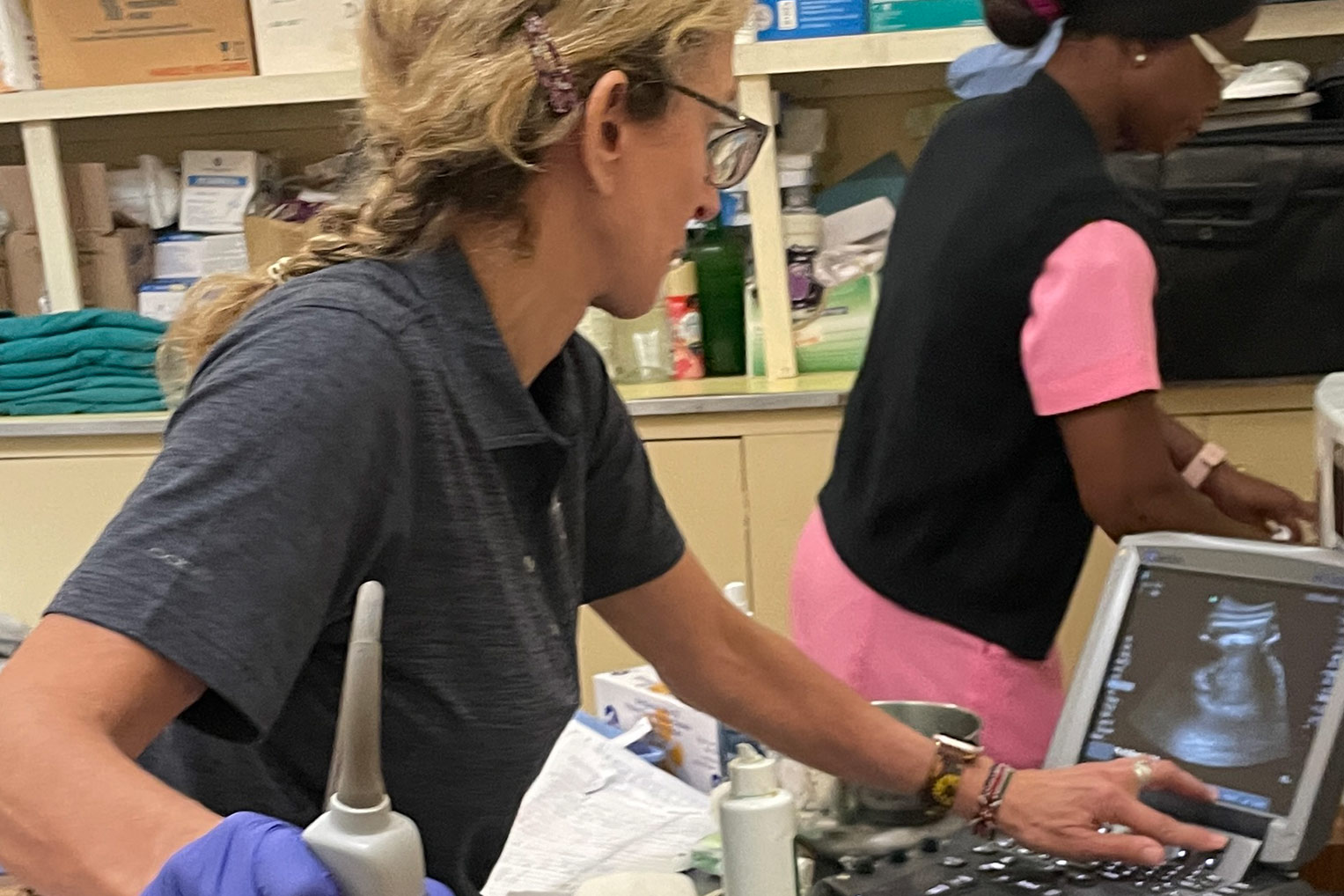
La mayoría de las ecografías que realizó Hopkins fueron obstétricas y ginecológicas, pero una buena cantidad de ecografías también detectaron cánceres, parasitosis y otras enfermedades.
Quizás, lo que más sorprendió a Hopkins durante el tiempo que estuvo en Karanda fue la alta incidencia de cáncer en adultos de entre 20 y 30 años. El VIH y los factores medioambientales contribuyen a la crisis. No obstante, la detección y el tratamiento tempranos hacen toda la diferencia.
El cáncer cervicouterino representa la preocupación más creciente para las mujeres jóvenes, particularmente, para las que viven en zonas rurales donde no disponen de exámenes de Papanicolau ni servicios de detección.
Entre sus pacientes masculinos, Hopkins encontró casos avanzados de cáncer de hígado, riñones y páncreas. Las ecografías detectaron la localización y el tamaño de los tumores, pero debido a que los hombres habían postergado la visita al hospital, sus pronósticos eran desalentadores.
“En Estados Unidos, recibirían radioterapia y quimioterapia. Pero, aquí, muchos pacientes simplemente aceptan que tienen un cáncer metastático que no podrá ser tratado”, dijo.
El alcance comunitario es una iniciativa en expansión de Karanda —tanto médica como espiritualmente—, y Hopkins se tomó un descanso de sus deberes como ecografista para pasar un día en una aldea agrícola. Acompañó a un doctor y a una enfermera a una escuela, donde realizaron una clínica para madres y bebés.
Pesaron a los bebés, aplicaron vacunas e instruyeron a las madres sobre varios aspectos del cuidado infantil. Aunque Hopkins no habla la lengua shona, el idioma más común en Zimbabue, las madres sonreían cada vez que ella agarraba su cámara para tomarles una foto. Sus sonrisas le trajeron alegría a ella también.
La comunicación sin palabras le recordó a Hopkins las reacciones similares que recibía en Karanda, cuando las futuras mamás veían las ecografías de sus bebés por primera vez. Las expresiones de asombro grabadas en sus rostros eran invaluables.
“En algunos casos, nunca se habían hecho una ecografía, y tampoco conocían a nadie que se hubiera hecho una. Las mujeres estaban sorprendidas por lo que podían ver”, dijo Hopkins. “Creo que ver a su bebé dentro de ellas, y escuchar el latido del corazón las llevó a darse cuenta de cuán importante es su rol como madre en la vida de ese niño. Realmente, fue muy bonito ser parte de ello”.
“¡Te alabo porque soy una creación admirable! ¡Tus obras son maravillosas y esto lo sé muy bien!”—Salmo 139:14
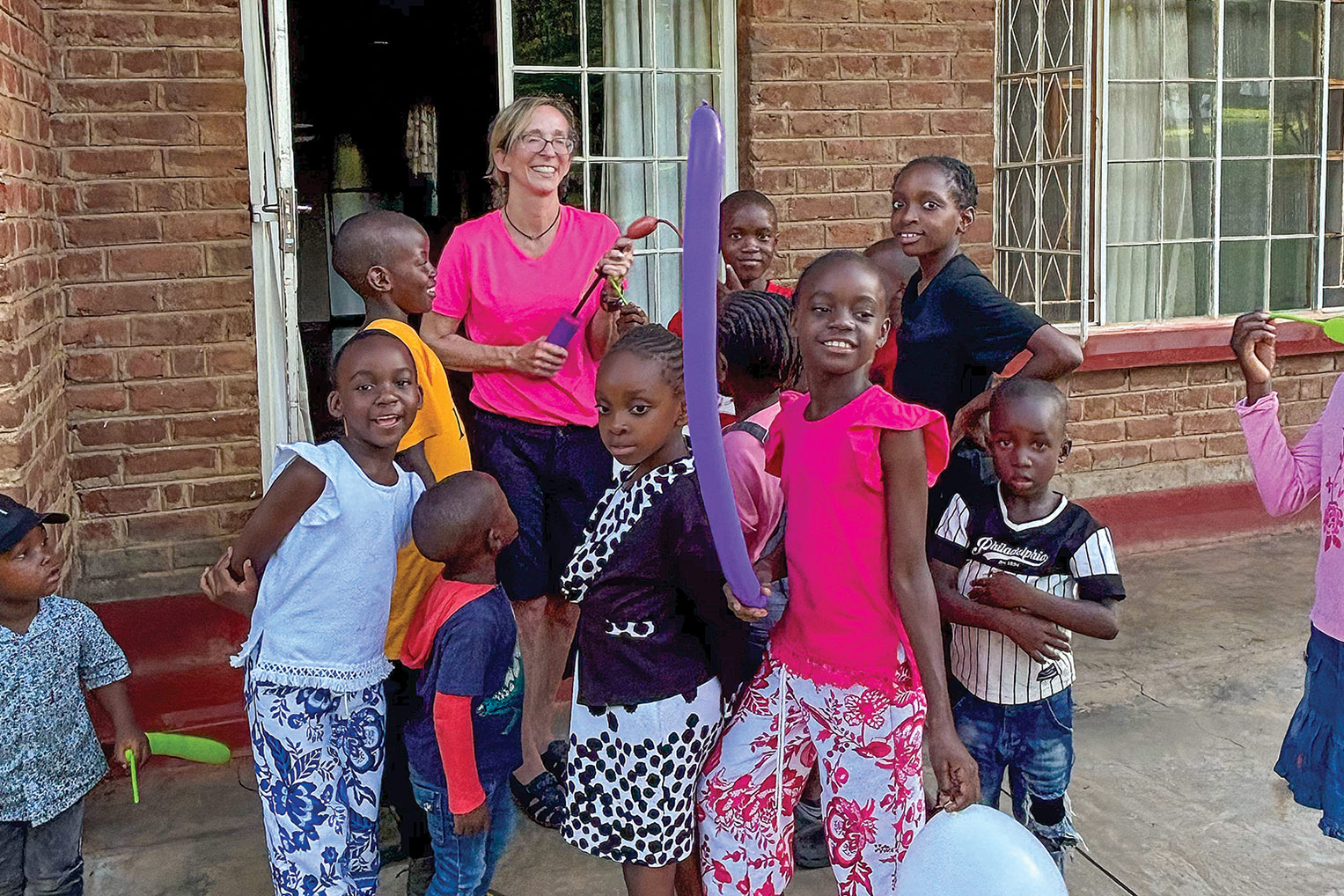
Durante su tiempo libre, Hopkins se relacionó con los más jóvenes de la zona, con diversión y juegos.