

Rebuilt Churches Shine in the Sudans
Churches destroyed by war in South Sudan and Sudan were rebuilt by Samaritan’s Purse years ago. Today they continue to grow, strengthen, and reach their neighbors with the Gospel.
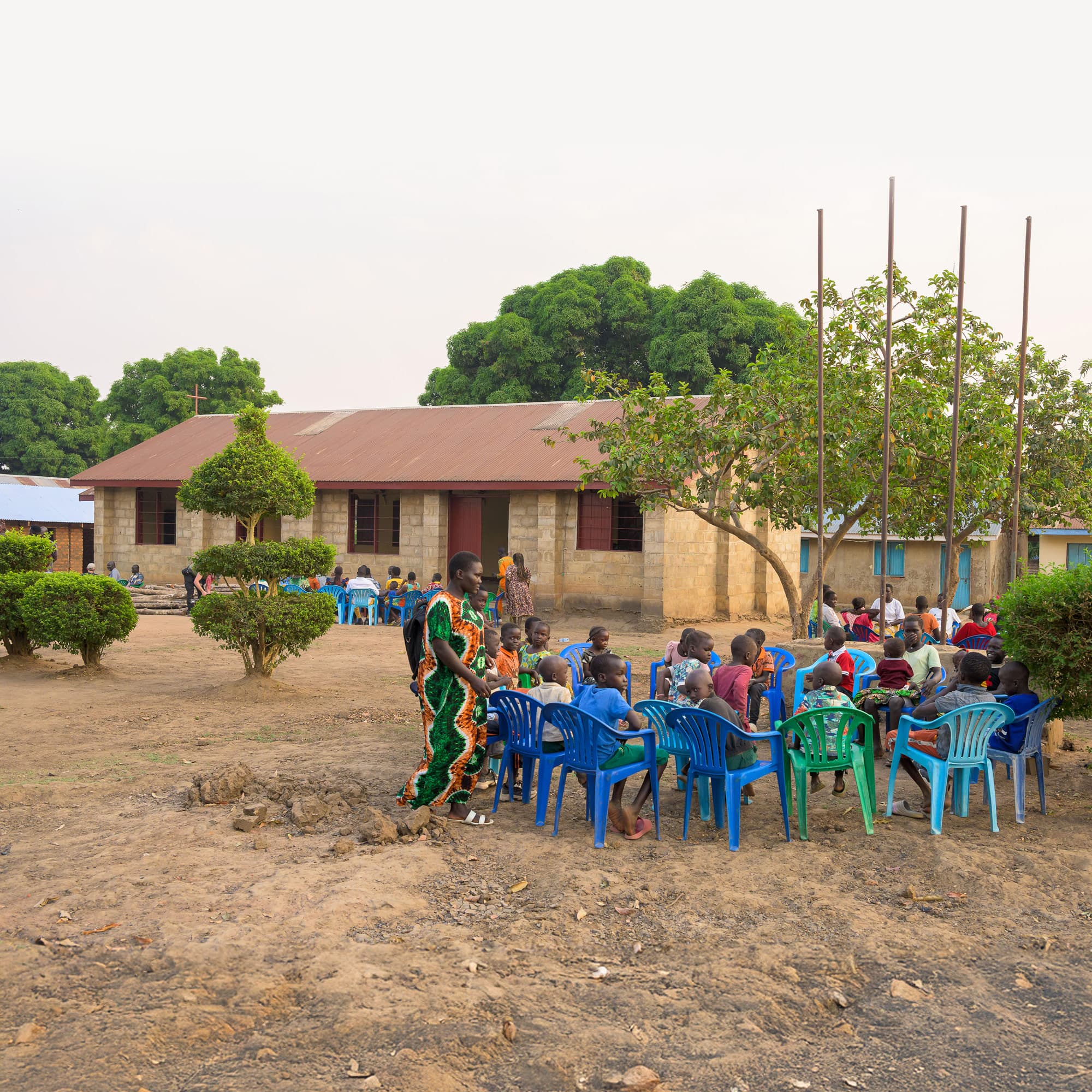
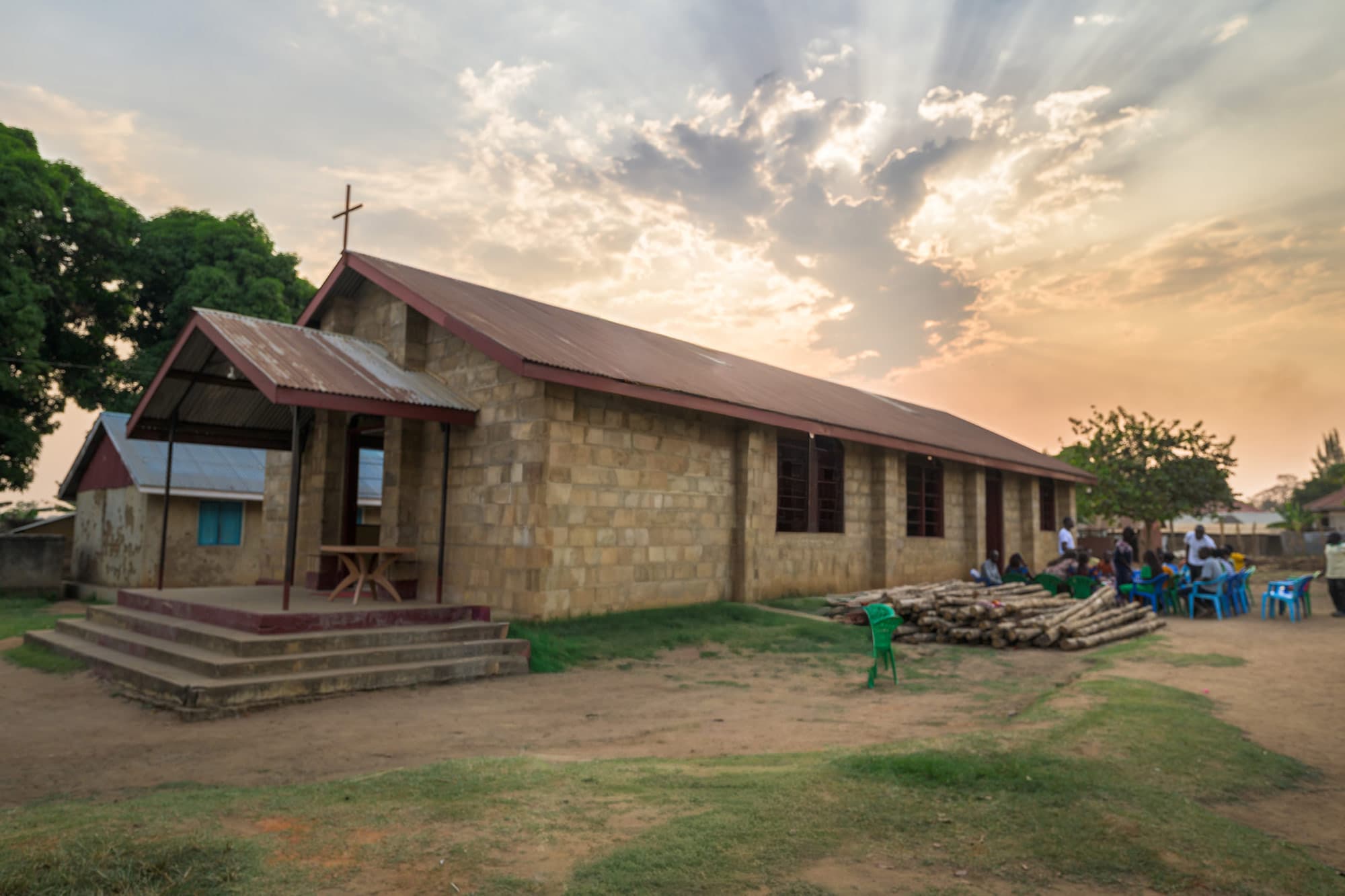
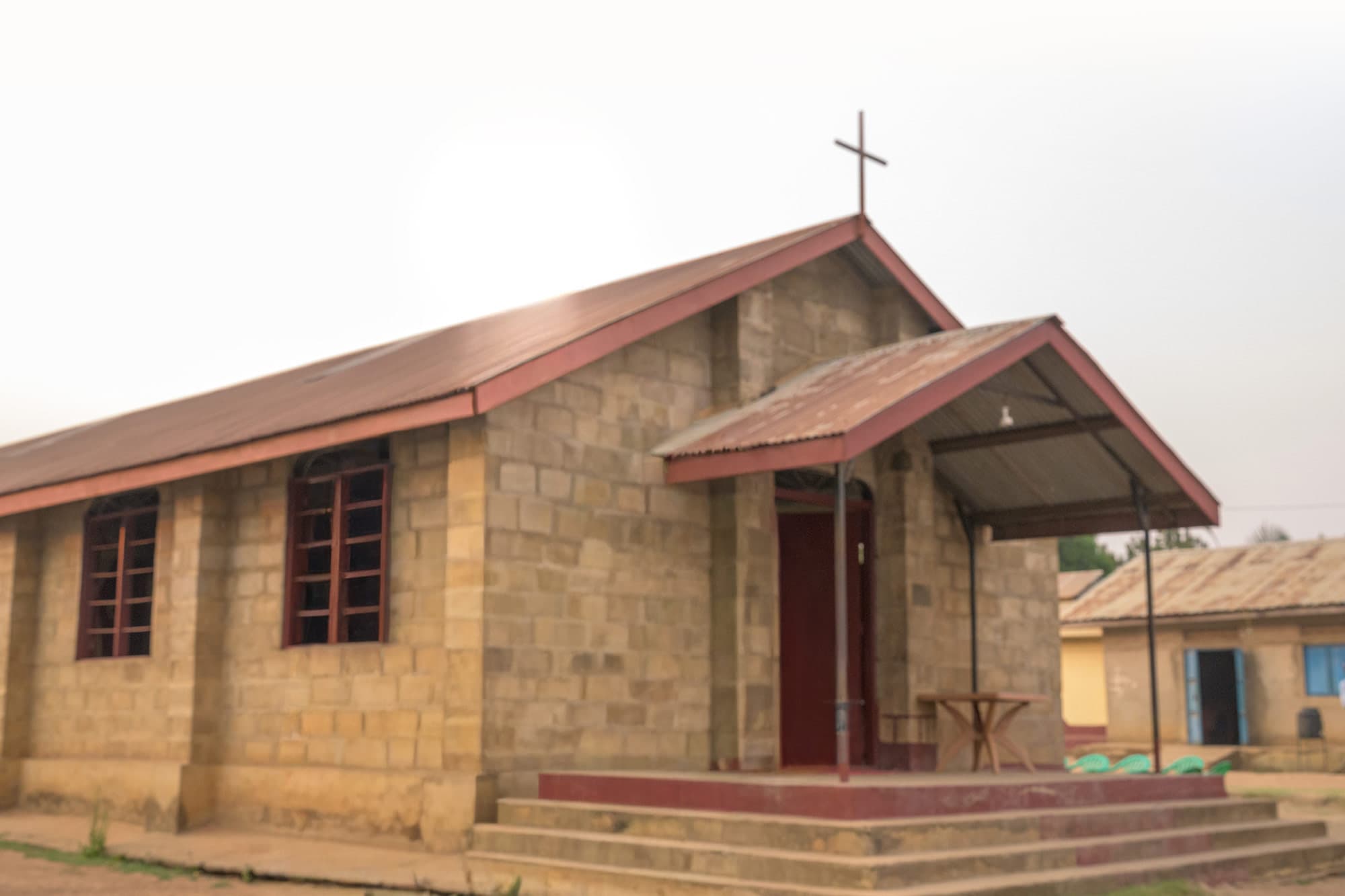
The sun glitters through palm fronds and mango trees before illuminating the cross atop the steeple of the Africa Inland Church in Yei, South Sudan—one of the few cement structures in town. Dust kicked up from the bare feet of children zipping past swirls in the air as voices of praise resound in Swahili, Arabic, and the region’s mother tongue, Kakwa. It’s a Saturday evening, and the youth choir is practicing for Sunday’s service.
“There is no one like Him,” the group sings, alternating languages with each chorus. “The grace of God is enough. We live because the Almighty is our protector. There is no one like Him.”
Pastor James Loruba sits beside the group of young singers, none of whom were born when he joined the church in 1989. Age clouds his eyes, but the seasoned pastor has not forgotten where—and through what trials—God has brought him and his church.
1983–2005
Second Sudanese Civil War
Read more about this time in history. ↘
Close ↗
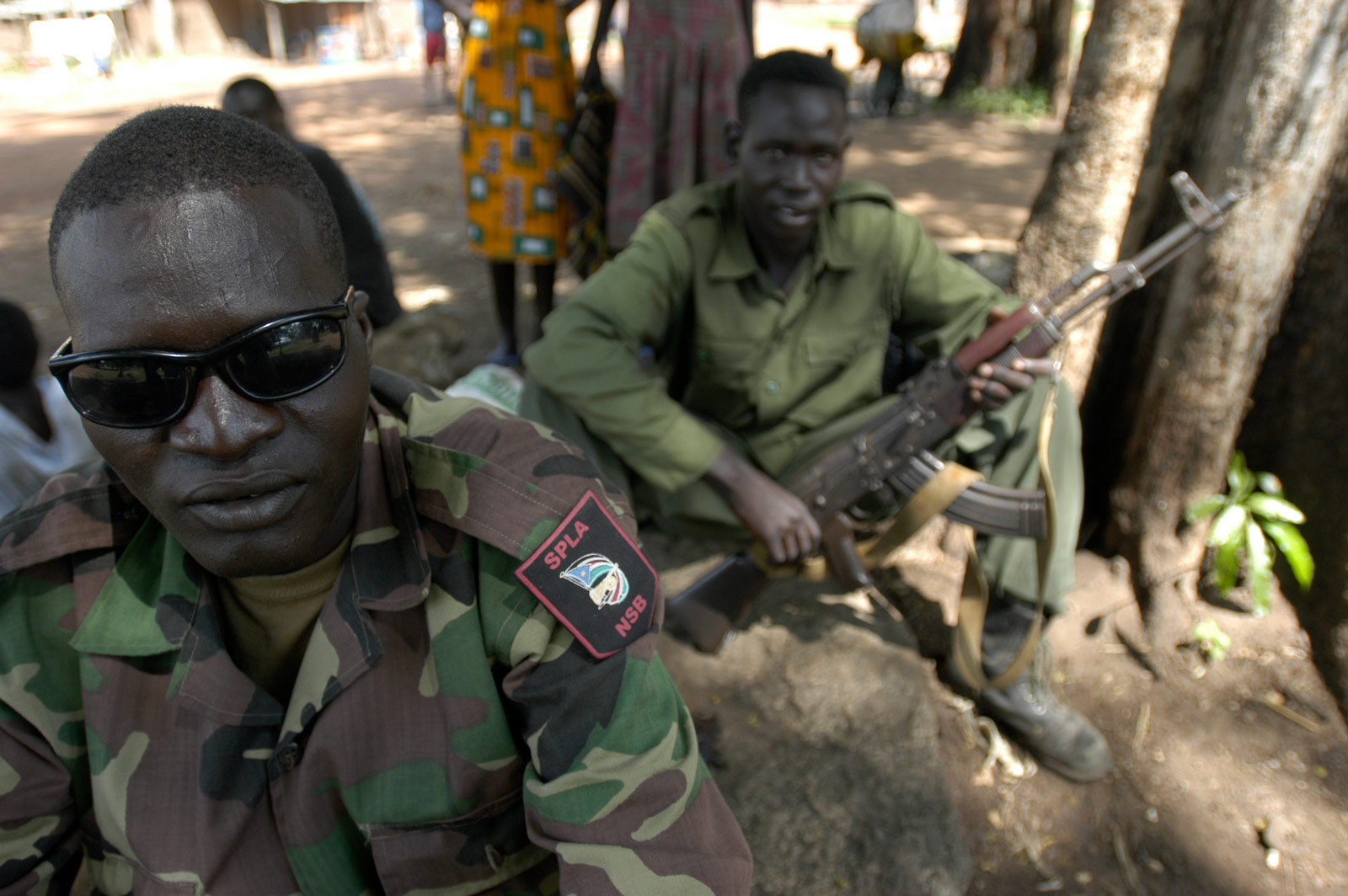
After just over a decade of peace, the Muslim-majority north seeks to enforce Islamic law throughout the country, which kickstarts another civil war with the south. Christians are targeted and slaughtered as famine, disease, and lack of aid also claim the lives of hundreds of thousands of people.
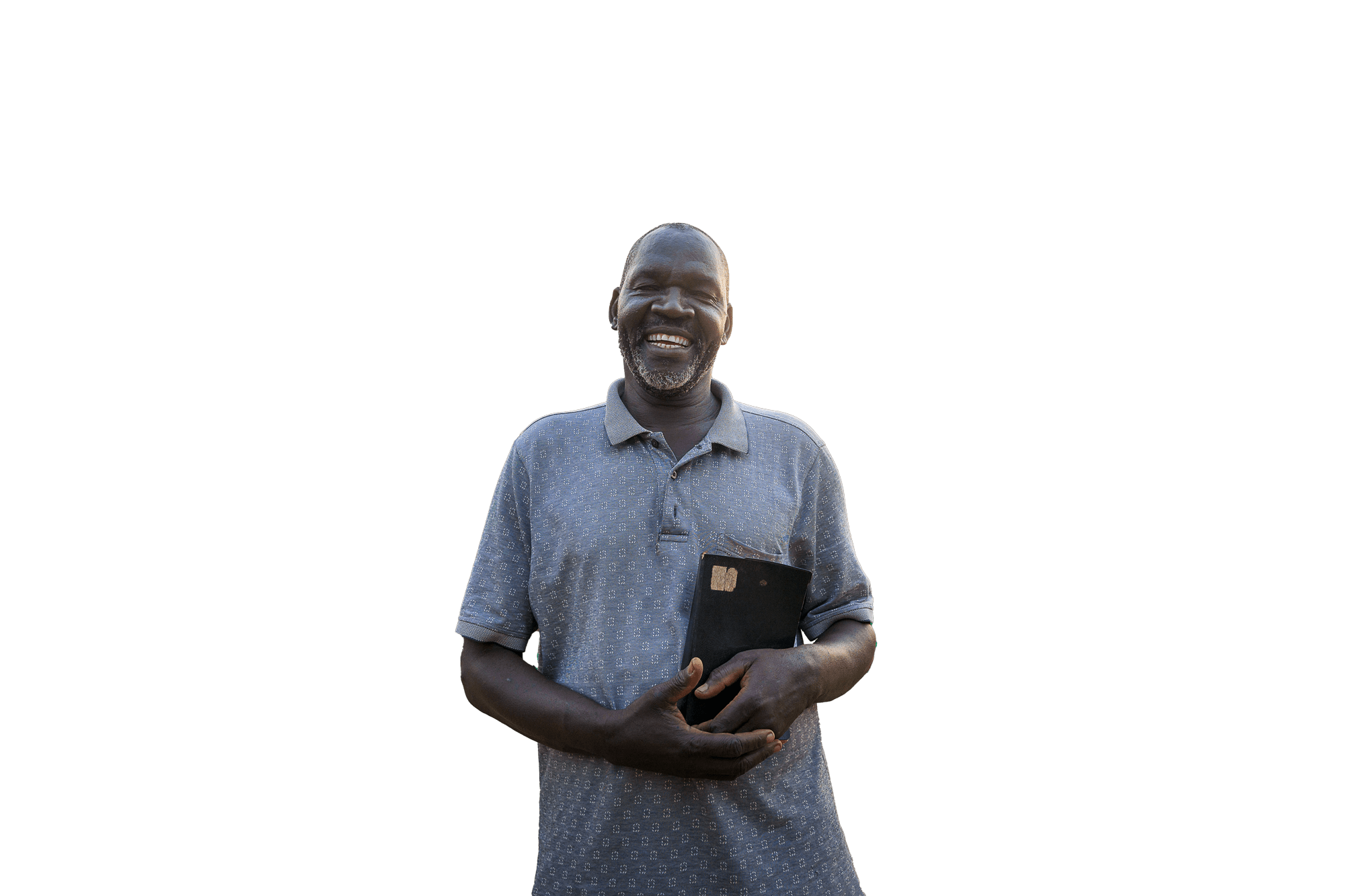
“Samaritan’s Purse met me right here. They worked with us to build a church.”
“This place used to all be mangoes,” he says, sweeping his arm across his view where now a church and school are built. A children’s Bible study group recites memory verses in a circle near the youth choir. Mothers from the church belt worship songs in concert nearby. “And we gathered under that tree there.” The pastor’s arm stops and points directly to the only remaining tree in the corner of the property.
“But when the war came,” his arm drops, “we all ran into the bush. No bullet caught me, but many died.” Pastor Loruba recounts how decades ago government forces barraged his town with heavy bombings and sent in ruthless Islamist militias to massacre the local population. He and many others fled as the rebels fought back. When the region was liberated after years of bloody strife, Pastor Loruba says he returned home to bomb craters in the earth, a town reduced to ash, and graves of friends he had lost.
He again lifts his arm and points to the ground at his feet as he cracks a smile: “But Samaritan’s Purse met me right here. They worked with us to build a church.”
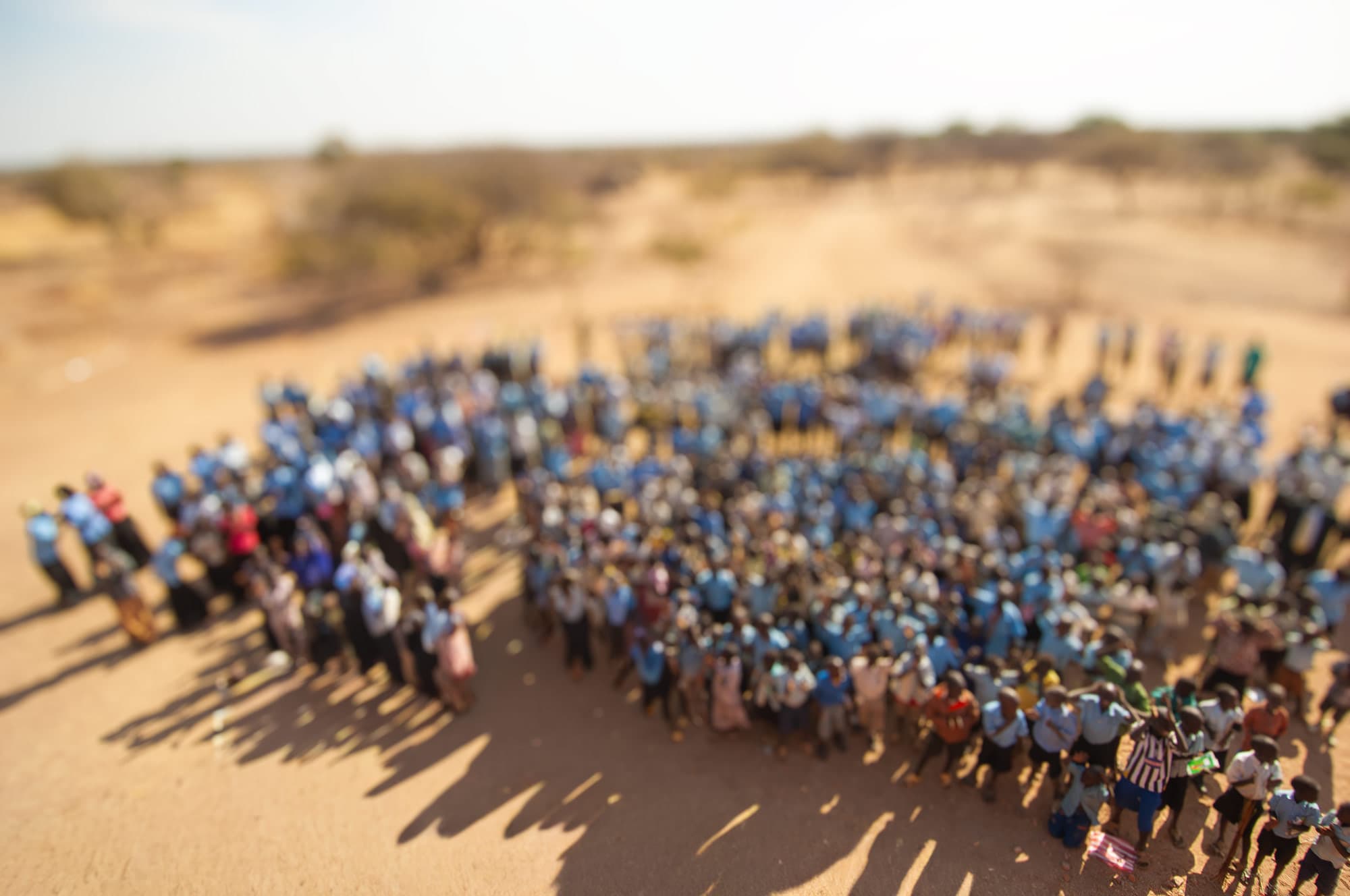
Rebuilding the Persecuted Church
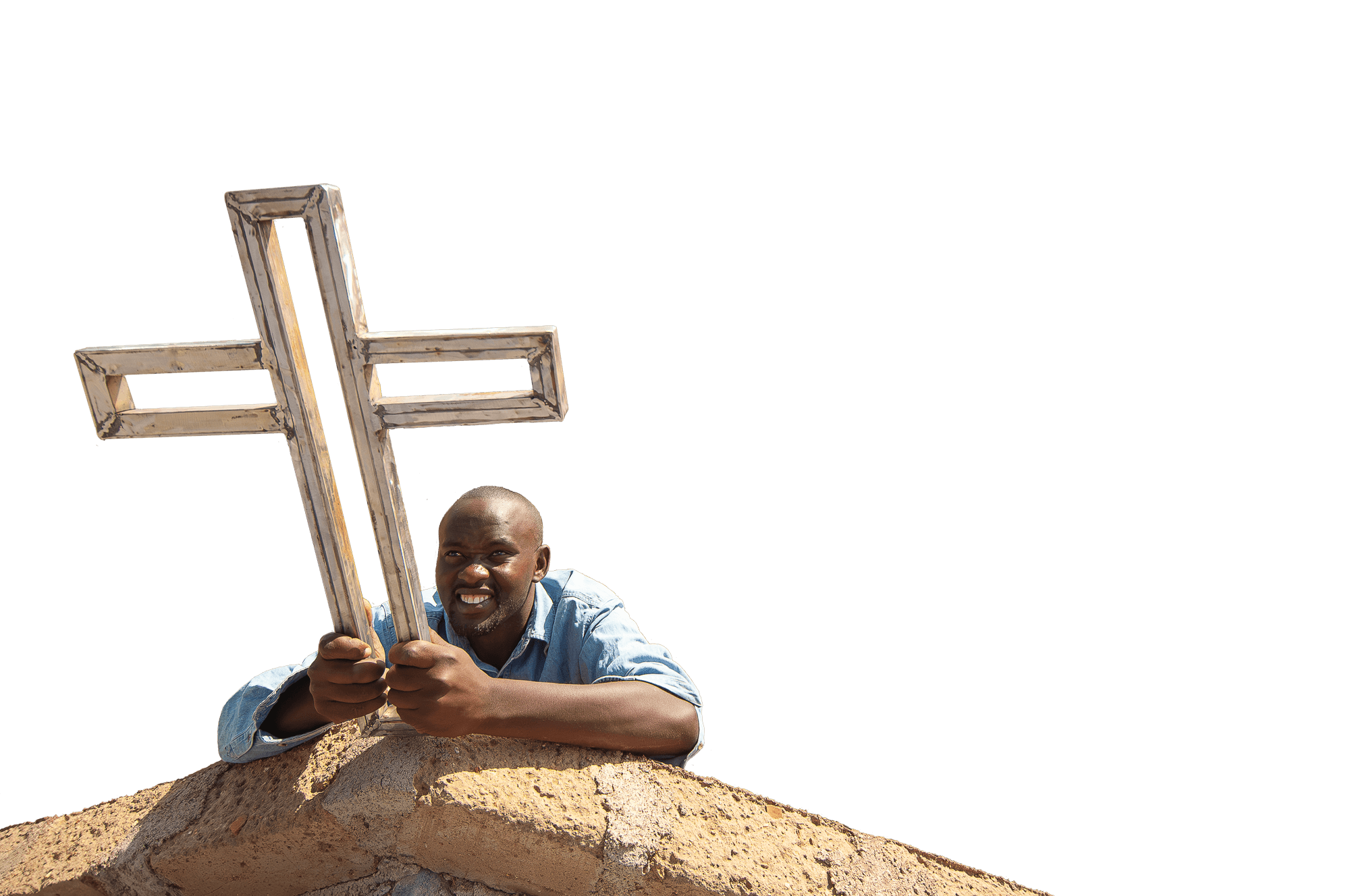
Across deserts, swamps, forests, and mountains, Samaritan’s Purse rebuilt 512 churches in South Sudan and Sudan from 2006 until 2012 after the once-unified nation endured decades of brutal conflict. Now Samaritan’s Purse works alongside many of these same churches to serve the region as the hands and feet of Jesus Christ.
From our country office in Juba, and through teams in multiple subbases partnering with local congregations, we are meeting ongoing needs, providing food, water, medicine, livelihoods training, and, most important, opportunities for hurting families to experience the hope found only in the Gospel of Jesus Christ.
In a region still marked by and engulfed in armed conflict, the churches of Sudan and South Sudan serve bravely and boldly as outposts offering hope and peace in Jesus’ Name.
Congregations like these were among the many casualties suffered during those many violent years. Churches made of mud and grass were razed, bulldozed, burned to the ground, and wiped away by merciless militias trying to eradicate Christianity from the land. Two decades-long wars from the mid-1950s to 2005 killed around 3 million people, with many thousands of children kidnapped into slavery or forcibly conscripted to fight against their own communities.
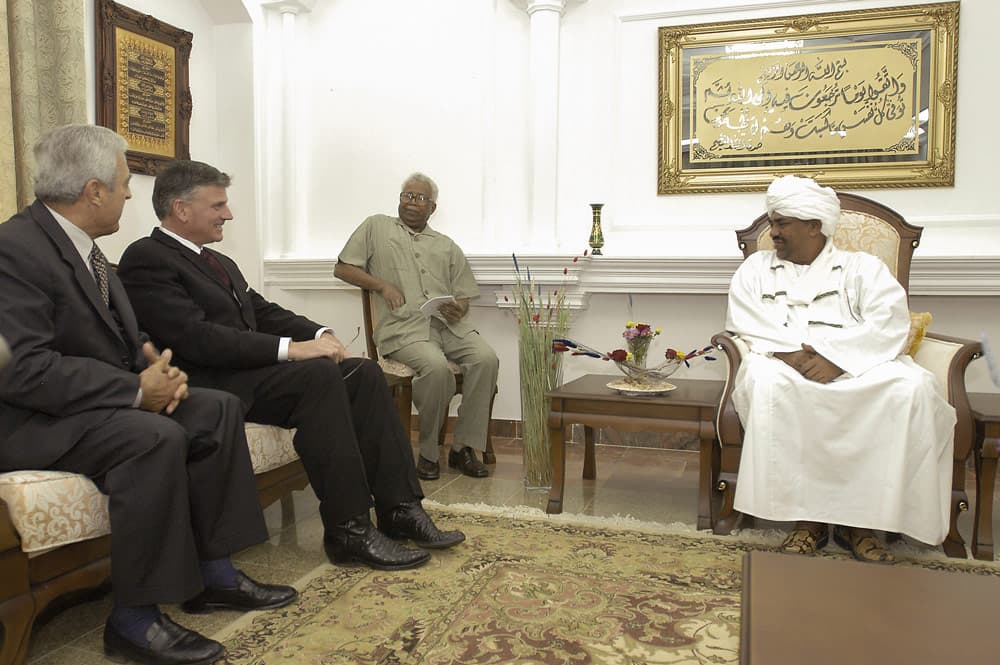
Even before peace came, God moved Franklin Graham to petition Sudan’s then-leader, Omar al-Bashir, to let Samaritan’s Purse help Sudan’s Christians rebuild churches his government had destroyed. The dictator listened.
December 2003
Franklin Graham meets with Sudanese dictator to discuss rebuilding destroyed churches
Read more about this time in history. ↘
Close ↗
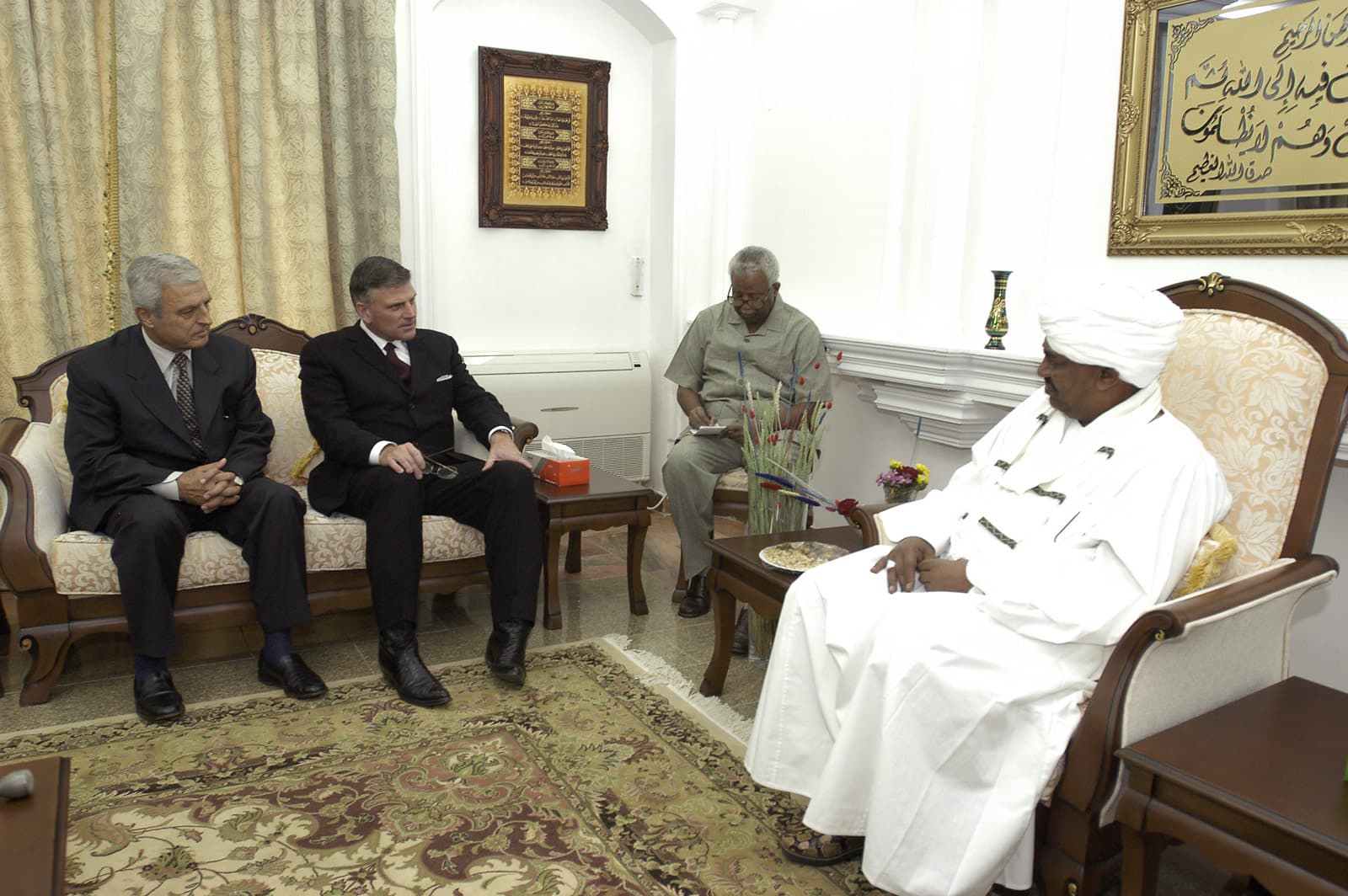
Samaritan’s Purse President Franklin Graham first meets with then-leader of Sudan, Omar al-Bashir, to ask that Samaritan’s Purse be granted permission to begin reconstructing churches he and his forces had destroyed. Graham petitioned for religious freedom for the Sudanese people with al-Bashir at meetings in 2007 and 2009 as well.
“The church was under attack, and we were going to stand with them,” said Graham, the president of Samaritan’s Purse. “They thought they could eradicate the church by destroying the building, but the church is not a building—the church is the people, the followers of Christ. I wanted those followers to know we were standing with them by building those churches back.”
“In a time of tears, somebody was there to say, ‘You’re not alone. I’m coming beside you.’ That’s what Samaritan’s Purse has done.”
James Lagos Alexander of the Africa Inland Church (AIC) in South Sudan was among the national church leaders who joined Graham as he met al-Bashir in 2003.
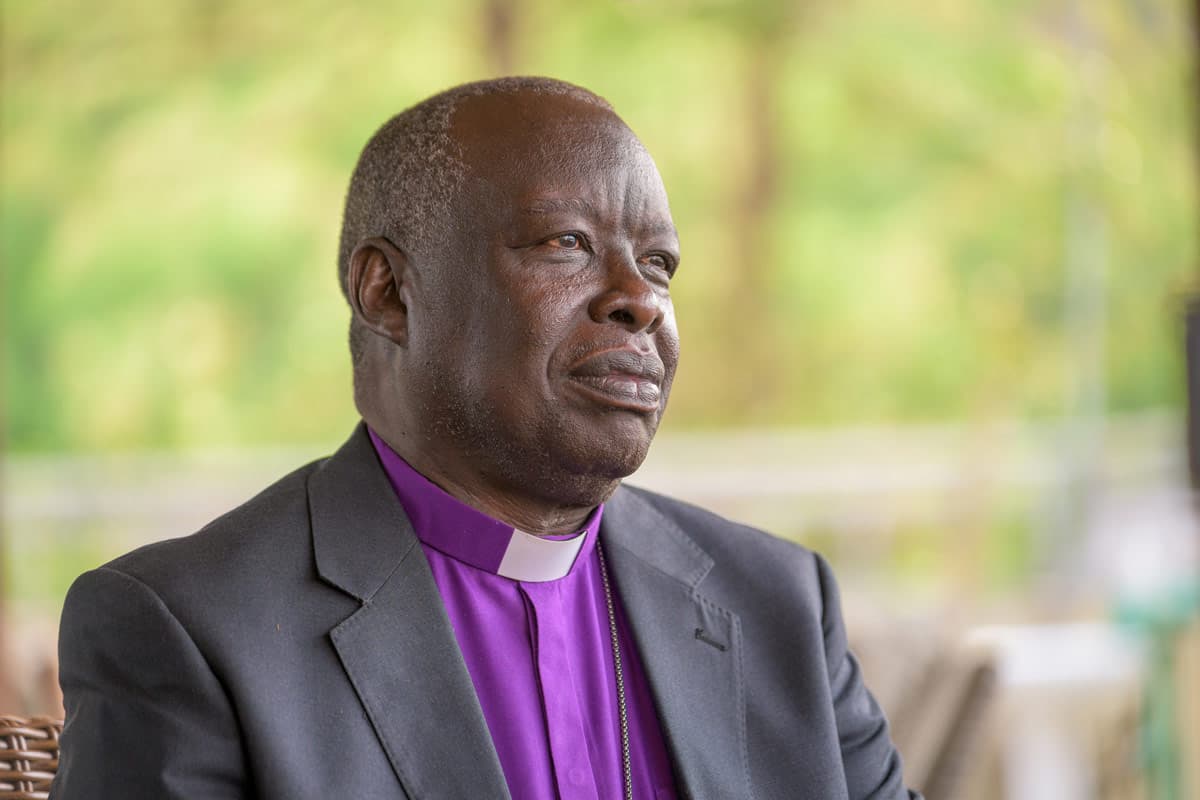
“People were running out of Sudan back then, but Franklin was coming in,” Alexander said. He added that his own church was destroyed on Christmas Eve during the war. “The churches in Sudan had been crying, but God heard our call and sent Franklin Graham to come alongside us to take our voice to the president. In a time of tears, somebody was there to say, ‘You’re not alone. I’m coming beside you.’ That’s what Samaritan’s Purse has done, and generations will never forget this effort. Our fear turned to jubilation.”
Watch a short film about our work in the Sudans.
At the dawn of the Comprehensive Peace Agreement signed between the warring sides in 2005, Samaritan’s Purse began reconstructing churches throughout the scarred region. In villages across a land larger than the state of Texas, some of the first cement structures erected after the war were Samaritan’s Purse-built churches.
January 2005
The Comprehensive Peace Agreement is signed—ending 22 years of war
Read more about this time in history. ↘
Close ↗
The Comprehensive Peace Agreement is signed between the Sudan People’s Liberation Army (SPLA) and the Sudanese Armed Forces (SAF), officially giving way to the process of creating an independent South Sudan. The region is in ruins with little standing infrastructure in place.
In each case, local congregants gathered sand, gravel, and other local materials, while we came in with cement and engineering know-how to pour the foundation and set the structure, adding steel trusses and metal sheets to the roofs.
A New Generation Built on The Rock
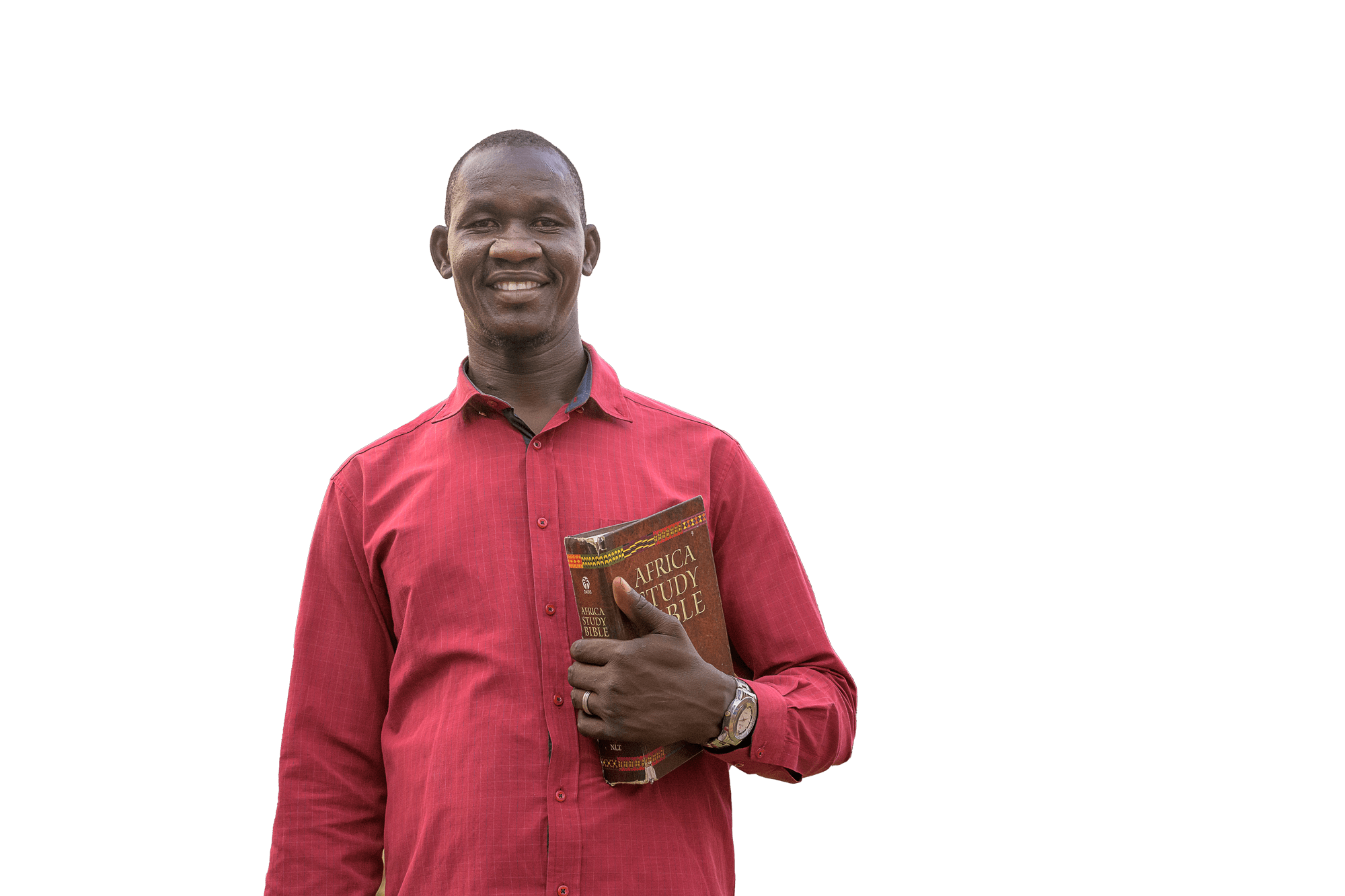
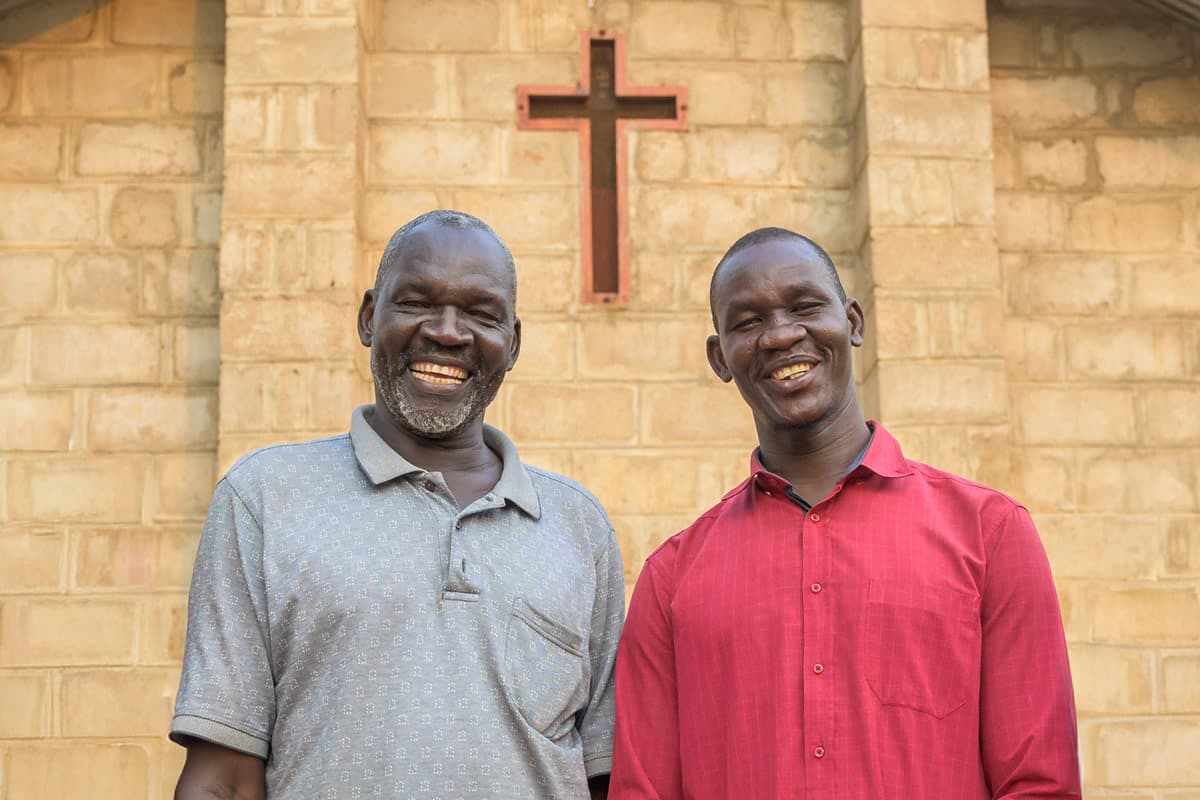
As Pastor Loruba sits back down in his chair, Pastor Joseph Laila, a much younger man, takes a seat beside him. When Samaritan’s Purse finished constructing the church in 2007, Pastor Laila had only just joined the congregation as a youth in the choir. Now he’s the lead pastor.
“He’s my spiritual father,” Pastor Laila says of Pastor Loruba with a hand on his shoulder. “I remember seeing how vibrant the church was when I joined and knew I was blessed. Though I did not know it at the time, God was preparing me to become the leader of the church.”
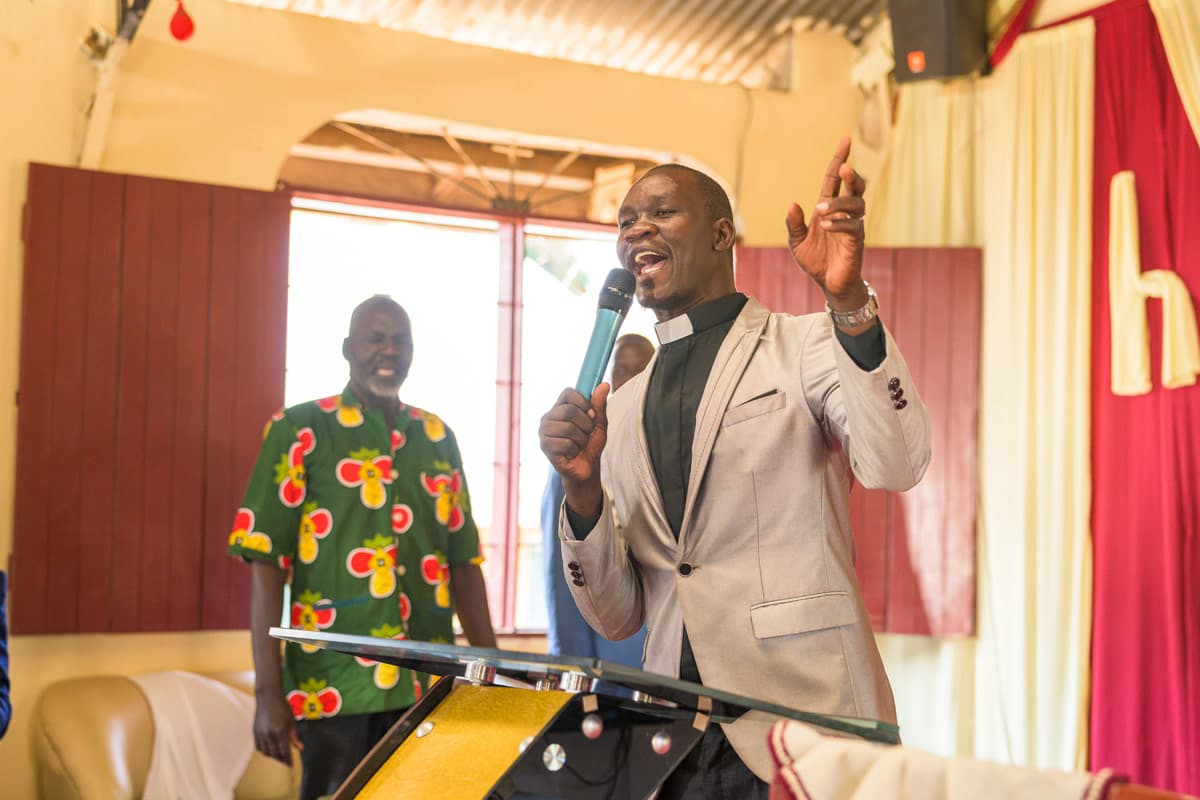
Pastor Laila led the church through more war in 2016. While conflict raged around him and his dwindling congregation, Pastor Laila says that people found refuge in the church building Samaritan’s Purse had constructed because of the “cross, steel doors and windows, and a cement structure.” They felt safe under its roof.
2013–2018
South Sudanese Civil War
Read more about this time in history. ↘
Close ↗
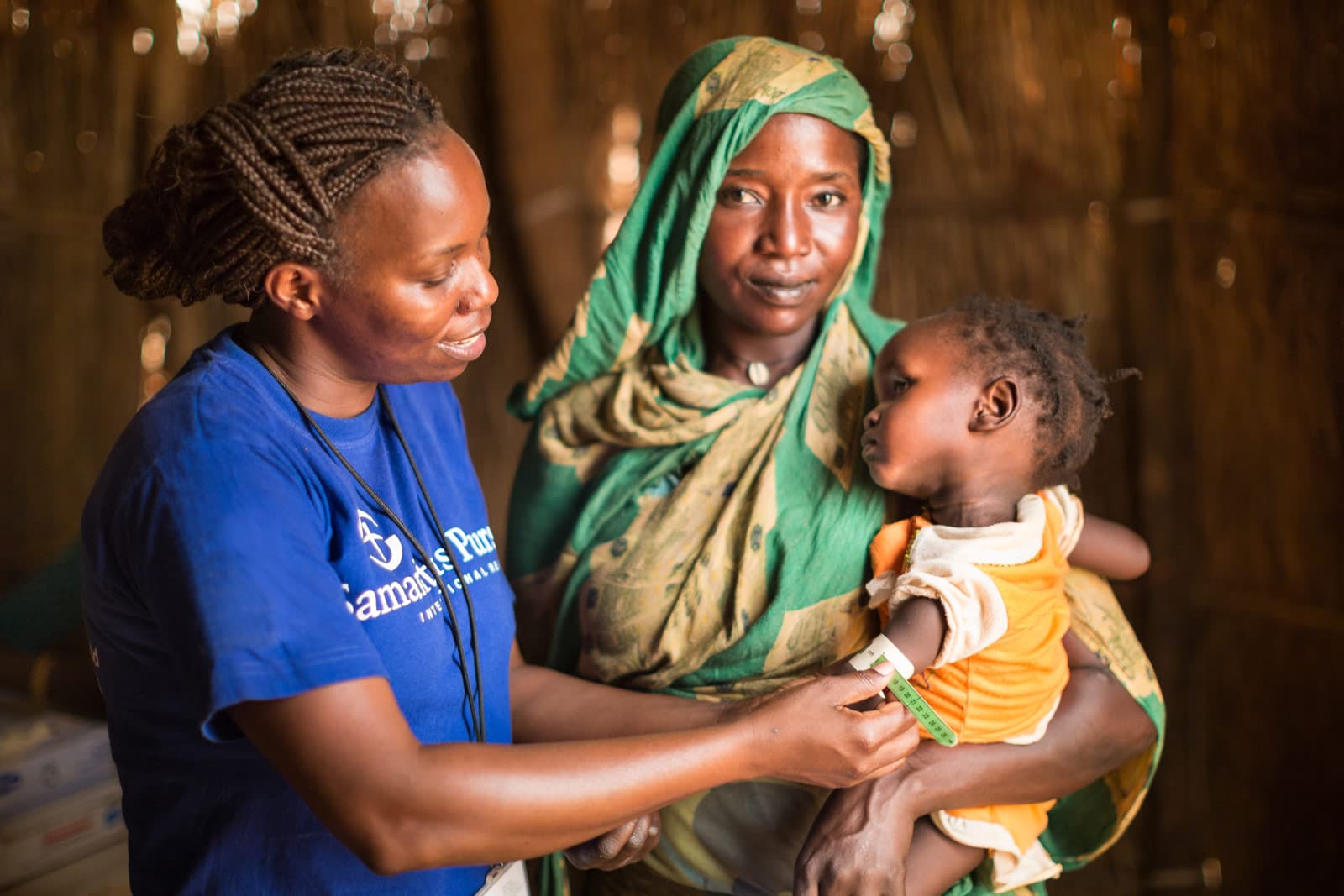
Only two years after independence, South Sudan descends into full-blown civil war between the government and varying opposition forces. Once the third and final ceasefire is signed in 2018, nearly half a million South Sudanese have died—many by starvation and disease rather than the conflict itself.
The church grew in numbers and in strength. It also multiplied as two members left to plant churches of their own. In recent years, the church built a school that educates hundreds of students—including a group of orphans on full scholarship who lost their parents in the war.
“If you do not have Christ in you, you will not value another human being. So, we brought that idea and implemented it in our primary school. All the students are discipled every day,” Pastor Laila said. “What will make them a better leader is education in Christ.”
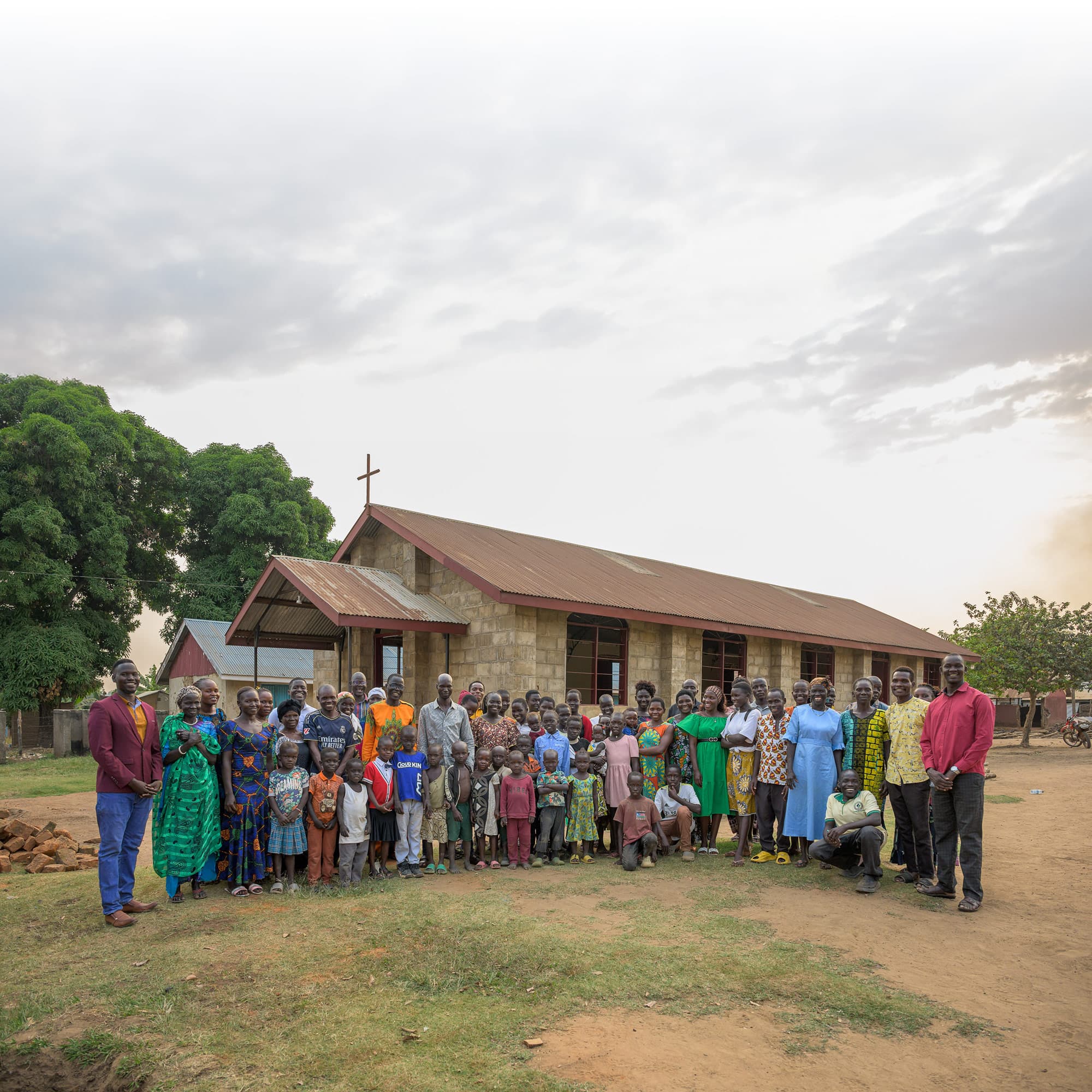
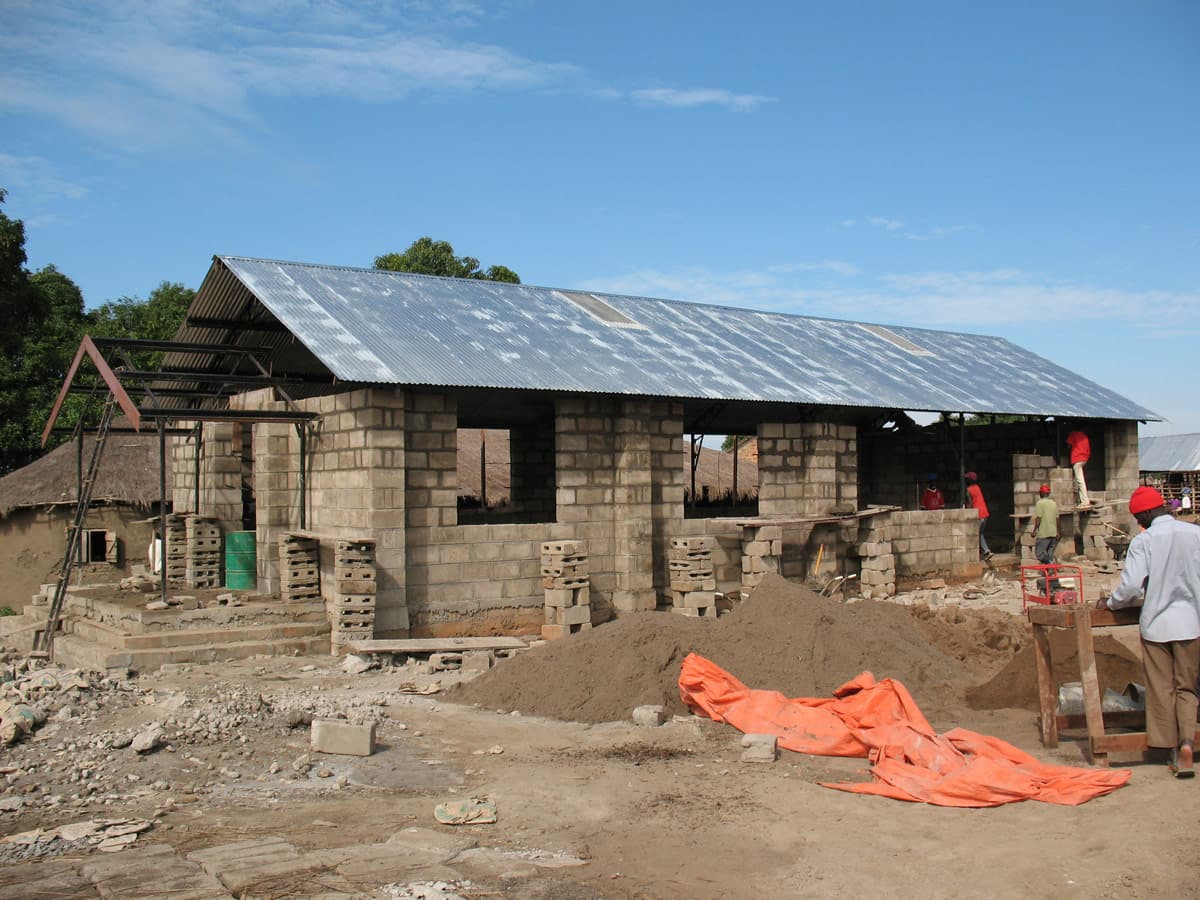
What started with a rebuild has grown to a blossoming congregation that shines as a light to young people in the Yei community.
Please prayerfully consider supporting the ongoing work of Samaritan's Purse in the Sudans.



